DESPERATE DEFENSE: Moscow Dusts Off Old War Trick Against Drones
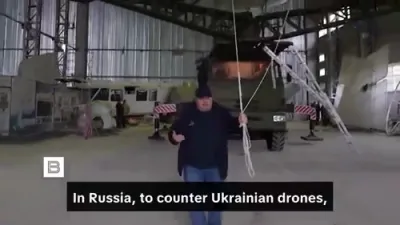
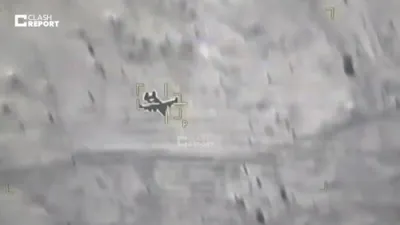
Russia is reaching back more than eighty years for a solution to a very modern problem, rolling out tethered balloons strikingly similar to the barrage balloons that once helped shield London and Moscow from German bombers during World War II. New footage shows a factory churning out the first batch of these aerostats, built to be stationed above oil refineries and other critical sites, with trailing cables designed to snag incoming drones before they can reach their targets. The idea is simple and cheap: string up enough cable in the air and an attacking drone either gets tangled or has to fly around it, buying refineries precious seconds they otherwise would not have. It is the same basic logic that once protected British cities from low-flying aircraft, repurposed now for an entirely different kind of threat.
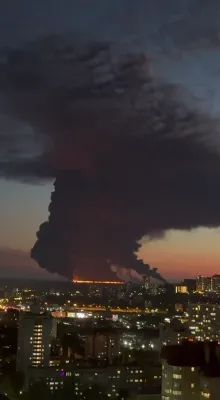
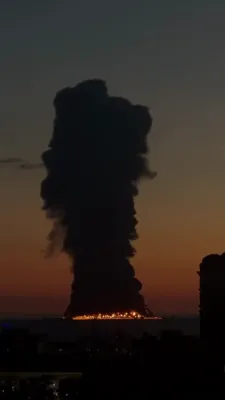
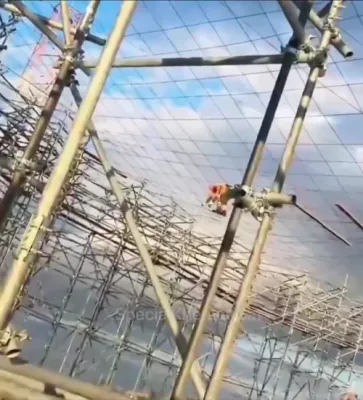
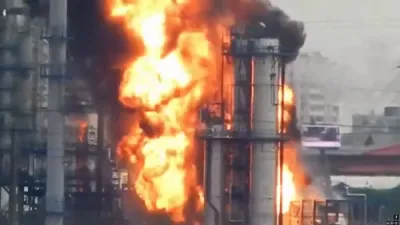
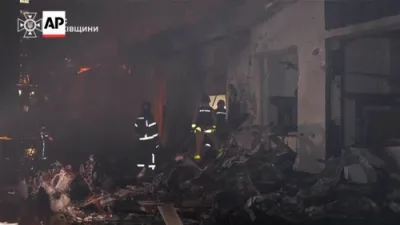
The economics behind the move are straightforward, a line of balloons costs a fraction of what it takes to rebuild a refinery gutted by fire, and Russia has lost plenty of refining capacity this year to a relentless campaign of Ukrainian drone strikes that have repeatedly knocked out fuel production across the country. Yet the fact that Moscow is turning to an idea this old says as much about the current state of the drone war as the balloons themselves, suggesting that more modern countermeasures have not been enough to stop the attacks from getting through. Russia has already experimented with other physical defenses this year, including modular metal shielding and netting systems, but the return to balloon-based barriers signals that drones continue to have the upper hand. For now, Moscow appears willing to bet on a decades-old fix while it searches for something better.