BURDEN SHIFT FURY: Treasury Boss Slams Europe for Funding Putin While Demanding US Help
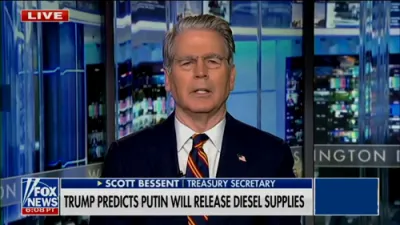
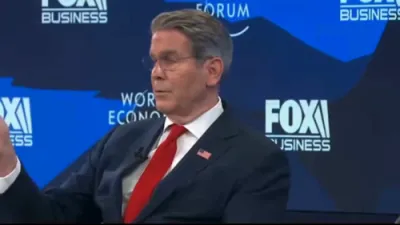
U.S. Treasury Secretary Scott Bessent has sharply criticized European nations for pouring more money into Russian energy purchases than they have provided in aid to Ukraine since the full-scale invasion began. Speaking in a recent interview, Bessent declared that the Europeans have given Russia and Vladimir Putin more money than they have given the Ukrainians while continuing to gorge on Russian energy supplies. He questioned why the United States should go it alone in supporting Ukraine when Europe remains heavily reliant on fossil fuels from Moscow. Official European Union data shows the bloc paid Russia approximately €197 billion, or about $209 billion, for fossil fuels between March 2022 and July 2026. Some independent analyses have indicated that cumulative European energy payments to Russia through 2025 had already surpassed certain tallies of Ukraine aid that hovered around €200 billion before more recent adjustments. Bessent framed the disparity as evidence of a failed European energy policy that continues to bankroll the Russian economy even as leaders in Brussels urge stronger Western commitment.
The remarks came amid tensions over a recent U.S. arrangement allowing Russian diesel supplies to reach global markets, which European officials had criticized as undermining sanctions. Bessent rejected those complaints as hypocritical, arguing that Europe’s ongoing energy imports directly contradict its public stance against funding Putin’s war machine. While the European Commission has pointed to a clear decline in overall dependence—from roughly 42 to 45 percent of fossil fuel needs in 2022 down to about 12 percent more recently—and claims its REPowerEU plan has already avoided hundreds of billions in additional Russian payments, residual purchases of oil, gas, and LNG continue. The Treasury secretary’s comments underscore a broader friction within the Western alliance over burden-sharing, with Washington insisting that allies closer to the conflict must do more to cut financial flows to Moscow. As the war grinds on, the debate highlights how energy markets remain intertwined with geopolitical strategy and how longstanding supply relationships complicate efforts to isolate Russia economically. Bessent’s pointed language signals that the Trump administration intends to press Europe harder on matching its rhetoric with concrete reductions in Russian energy revenue.