LAVA FIELD SCIENCE: USGS Scientists Collect Molten Lava Samples to Uncover Secrets Beneath Hawaii's Volcanoes
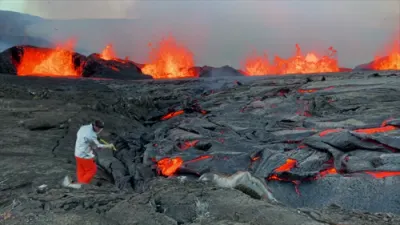
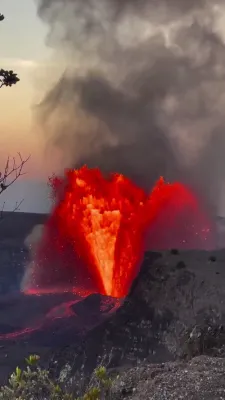
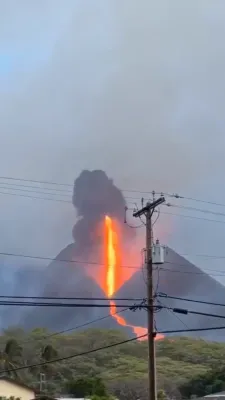
Scientists from the U.S. Geological Survey's Hawaiian Volcano Observatory are conducting hazardous fieldwork near active volcanic areas in Hawaii, collecting samples of molten lava to better understand the processes taking place beneath the islands' volcanoes. Footage shared by the U.S. Department of the Interior shows researchers wearing protective equipment as they approach cooled lava fields and use specialized tools to hammer and scoop red-hot volcanic material into collection containers. Although the work takes place in extremely challenging conditions, these samples provide valuable information about the composition and behavior of magma moving beneath the Earth's surface. By analyzing lava chemistry and monitoring volcanic activity, researchers can identify changes that may signal shifts in underground magma systems. Their investigations also include monitoring earthquakes, studying eruption patterns, and documenting changes in volcanic activity, particularly around Kīlauea and other active Hawaiian volcanoes.
The research plays an important role in understanding volcanic hazards and helping authorities protect communities living near potentially dangerous volcanic areas. Earthquake activity, changes in lava composition, and observations of eruptive behavior can provide scientists with important clues about what is happening beneath a volcano and how its activity may evolve. By combining direct field observations with seismic monitoring and laboratory analysis, USGS researchers develop scientific assessments that support volcanic hazard forecasts and public safety decisions. This information helps emergency officials and local communities better understand potential risks and prepare for changing conditions during periods of increased volcanic activity. While scientists cannot predict every volcanic event with absolute certainty, their continuous monitoring provides essential information for identifying warning signs and reducing the dangers associated with future eruptions.