FEDERAL WORKFORCE SHRINKS: Trump Defends Government Cuts After Stephen A. Smith Cites 300,000 Departures
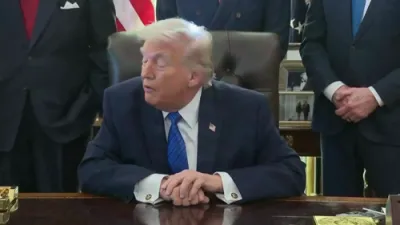
President Donald Trump defended his administration’s reduction of the federal workforce during a November 12 interview with commentator Stephen A. Smith, disputing claims that hundreds of thousands of former government employees were struggling to find new jobs. Smith cited more than 300,000 federal worker departures since January 2025 and challenged Trump’s assertion that many former employees were thriving in the private sector. Trump responded that they had all found new jobs, arguing that many were earning higher salaries and enjoying better working conditions. He also defended the reductions by saying the federal government had become unnecessarily overstaffed, with too many employees performing work that could be handled by fewer people. “You can’t have a federal government where you have 10 people to do one job,” Trump said, adding that he believed former employees had moved on to better opportunities. The exchange put the administration’s workforce overhaul back in the spotlight as Trump continues to defend his efforts to reduce the size of the federal bureaucracy.
The Office of Personnel Management estimated that approximately 317,000 federal employees would leave government service during 2025, describing the reduction as the largest in the agency’s historical accounting. However, the figure does not mean that 317,000 workers were fired: OPM said more than 90 percent of the departures occurred through voluntary programs and natural attrition, including its Deferred Resignation Program. Reporting based on OPM figures also identified involuntary separations, early retirements, buyouts and routine departures among the different reasons employees left. While Trump maintains that many former federal workers secured better-paying private-sector positions, publicly available data does not establish that all—or even most—found higher-paying jobs. Independent analysis has documented the scale of the workforce decline, but the employment outcomes of individual former workers remain difficult to measure. The debate now centers not only on the size of the federal government, but also on whether the reductions produced lasting savings and improved government performance without creating staffing gaps or disrupting public services.