GULF SHIPPING UNDER THREAT: IRGC Reports More Tanker Explosions Amid U.S.-Iran Tensions
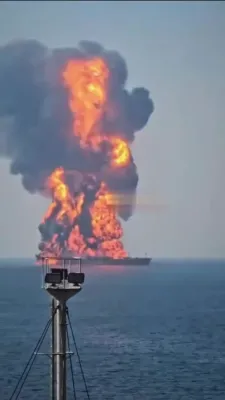
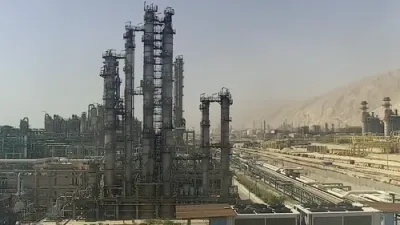
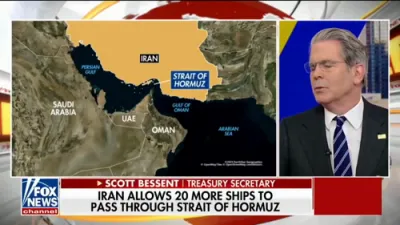
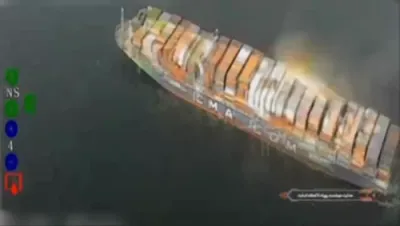
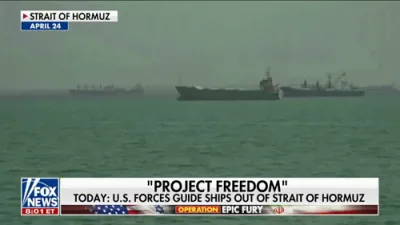
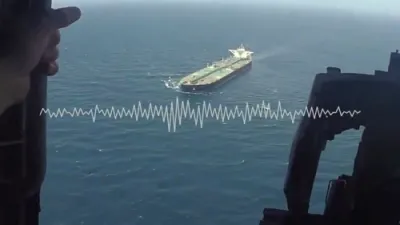
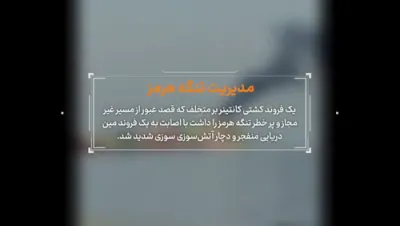
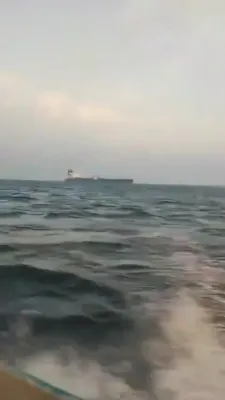
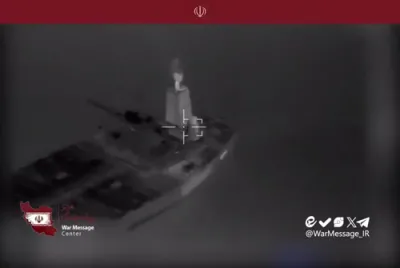
Iran's Islamic Revolutionary Guard Corps (IRGC) Navy claims that two oil tankers exploded and caught fire after striking naval mines while attempting to cross the Strait of Hormuz through what Tehran describes as an unauthorized southern route. According to the Iranian military, the vessels were attempting to navigate restricted waters without complying with its maritime instructions, with one account alleging that a tanker was traveling under U.S. military protection. The IRGC has repeatedly warned commercial vessels against using routes it considers prohibited, threatening consequences for ships that ignore its instructions. Video circulating alongside the latest claims shows a large vessel burning at sea and releasing thick black smoke, followed by an IRGC-related graphic. However, the footage's connection to the specific incident has not been independently established, and questions have been raised about whether it may show an earlier event. Iranian authorities have not provided independently verified evidence identifying both vessels or confirming the full circumstances of the reported explosions.
The latest allegations come amid a series of similar announcements by Iranian military and state media throughout November, as tensions between Tehran and Washington continue to threaten commercial shipping in the Gulf. Reuters reported that Iran's navy claimed three tankers caught fire after striking mines on November 14, but said it could not independently verify the reports. Meanwhile, the United Kingdom Maritime Trade Operations has documented several tanker attacks involving unidentified projectiles, including incidents in the Strait of Hormuz and nearby waters. Those reports have not established that naval mines were responsible for the attacks described by Iran. The conflicting accounts leave significant questions about the causes of the vessel fires, the identities of those responsible, and the condition of the ships involved. With commercial vessels facing mounting security risks, the situation continues to raise concerns over the safety of international shipping and the flow of energy supplies through this strategic waterway.