TRADE WAR ERUPTS: Secretary Lutnick Accuses Canada PM Carney of Playing Politics as Deal Dies
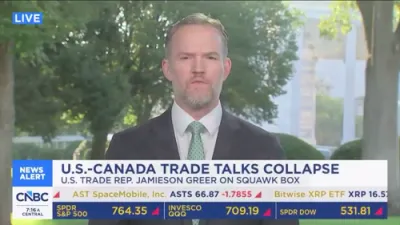
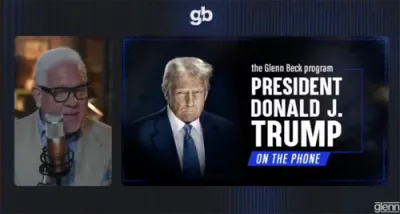
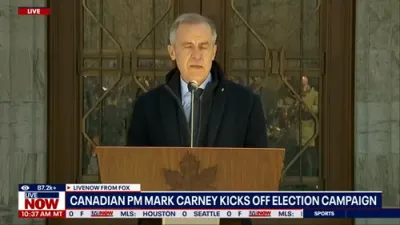
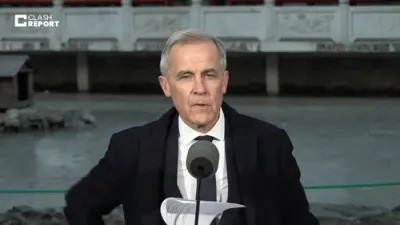
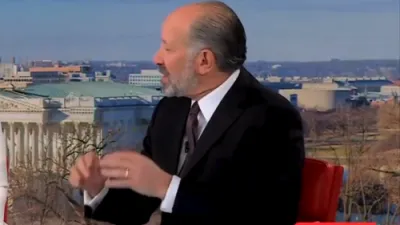
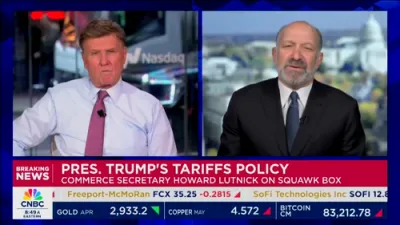
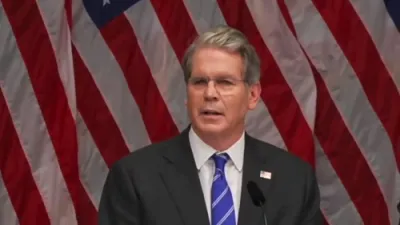
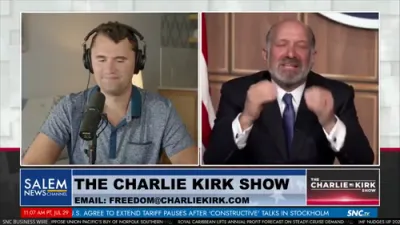
Commerce Secretary Howard Lutnick has gone public with a pointed accusation against Canadian Prime Minister Mark Carney, insisting that Ottawa walked away from a near-finished trade deal for political reasons rather than any real disagreement over substance. Speaking outside the White House, Lutnick revealed he had personally spoken with Carney twice in the final 24 hours before talks collapsed, stressing the number for emphasis to counter suggestions that the U.S. side had been absent or unresponsive. He also noted that he had met with Canada's trade minister, Dominic LeBlanc, roughly ten times over the preceding month, painting a picture of an administration that was deeply engaged rather than dismissive. According to Lutnick, the breakdown had nothing to do with the cultural or linguistic concerns Carney had floated publicly, and everything to do with domestic politics playing out in Canada.
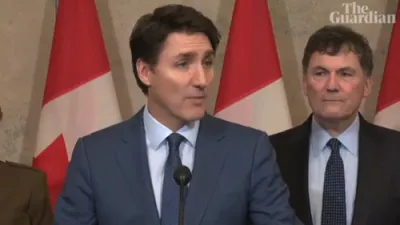
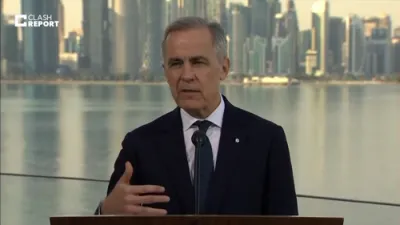
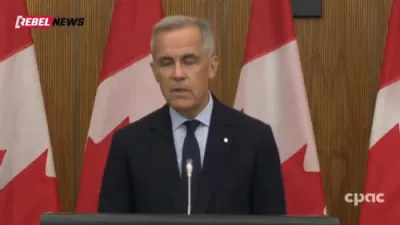
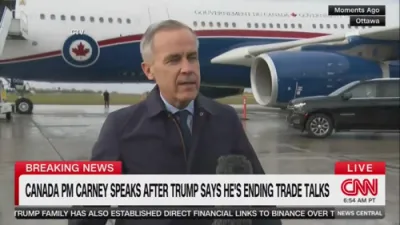
At the center of the collapse were sharp U.S. demands to limit tariff relief on autos, steel, aluminum, and especially heavy trucks, sectors where Lutnick has been an outspoken advocate for protecting American manufacturers. Those demands reportedly became a sticking point late in the process, with Canadian negotiators feeling blindsided by last-minute changes to terms they believed had already been largely settled. Carney, for his part, issued a forceful statement following the breakdown, calling the eleventh-hour shifts in the U.S. position unfair, uneconomic, and damaging to the broader credibility of any agreement reached with Washington. The dueling accounts reflect a familiar pattern in trade negotiations, where each side blames the other for either bad faith or moving goalposts once talks fall apart.
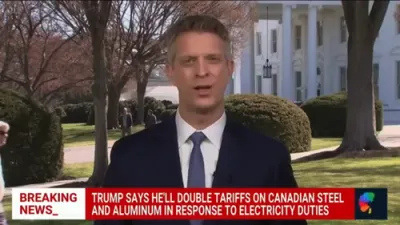
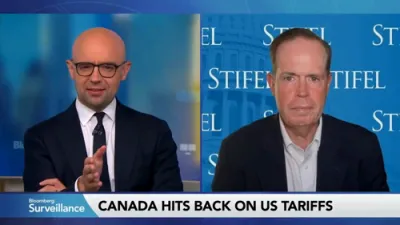
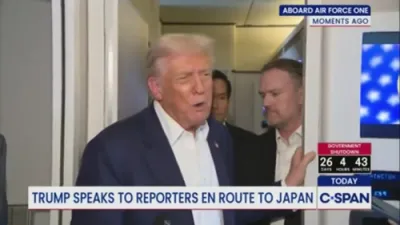
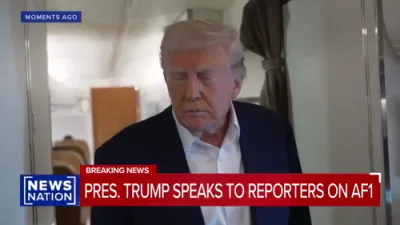
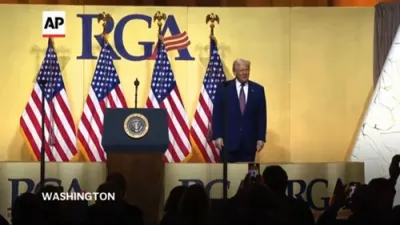
Lutnick went further, suggesting the failure was tied to Canadian domestic politics rather than trade economics, pointing to provincial elections expected in October and simmering sovereignty movements in Quebec and Alberta. He argued that Carney manufactured a rift with Washington to shore up political support ahead of those contests, a claim that Carney's camp has not directly addressed but that adds another layer of tension to an already strained relationship. The fallout was swift and severe: President Trump responded by announcing steep new tariffs on Canadian goods, and Carney quickly vowed that Canada would match those tariffs dollar for dollar on U.S. imports. What began as a negotiation aimed at easing trade friction has instead escalated into a fresh standoff between two of North America's largest trading partners.
This episode also lays bare deeper tensions within the broader trade relationship, occurring against the backdrop of an ongoing review of the USMCA agreement and the Trump administration's wider tariff strategy. Lutnick's direct, high-profile involvement in the final hours signals just how much weight Washington placed on securing favorable terms for American metals and manufacturing industries, even at the risk of derailing the entire deal. Canadian officials, meanwhile, appear to view the last-minute changes as evidence that the U.S. negotiating position was never fully stable to begin with, undermining trust for future talks. With tariffs now escalating on both sides of the border, the question of who bears responsibility for the collapse may matter less than what comes next for two economies that remain deeply intertwined.