BIGGEST DROP IN 60 YEARS: Drug Prices Fall, But Who Really Gets Credit?
Prescription drug prices in the United States just posted their steepest annual decline in more than six decades, falling 3.1% over the twelve months ending in July, the sharpest year-over-year drop since March 1963, according to Bureau of Labor Statistics data. Prices also fell 0.8% in July alone, marking the third straight monthly decrease and continuing a stretch in which prescription drug prices haven't risen in a single month throughout 2026. The decline helped pull down the broader medical care commodities index, even as other parts of healthcare kept climbing, with hospital services up 5.2% and physicians' services up 2.4% over the same period. It's a striking reversal after decades of steady increases that left American drug prices consistently outpacing those in most other developed countries.
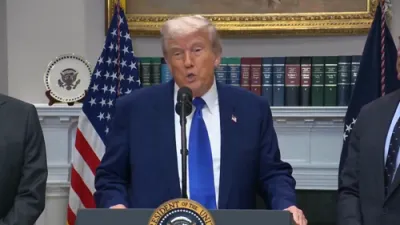
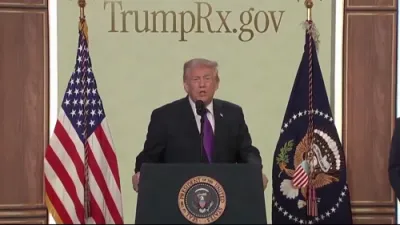
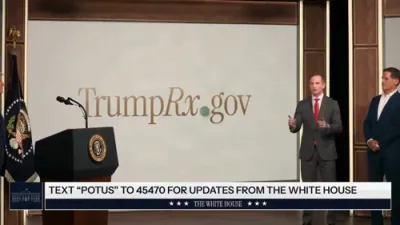
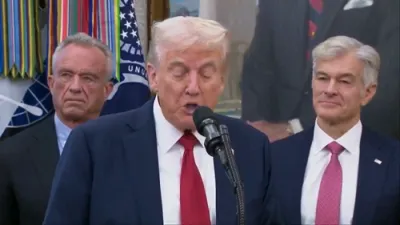
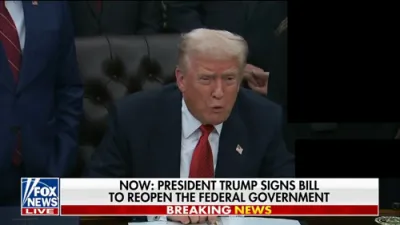
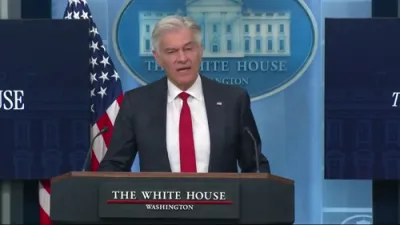
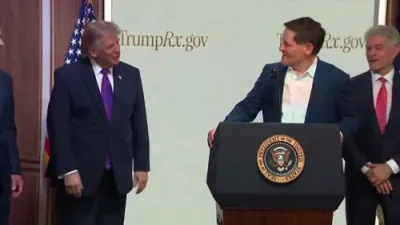
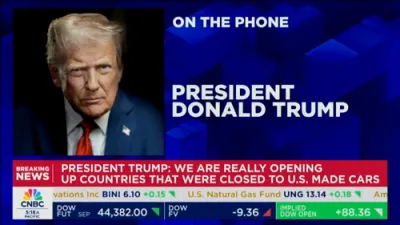
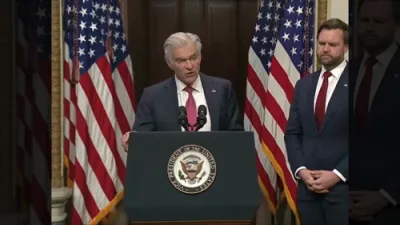
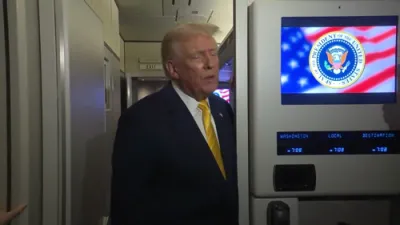
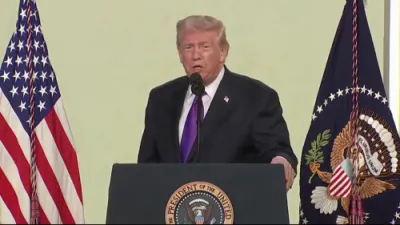
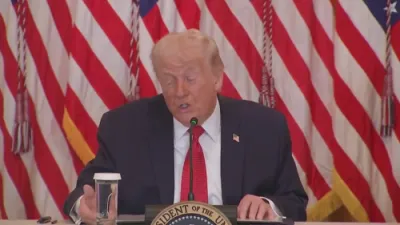
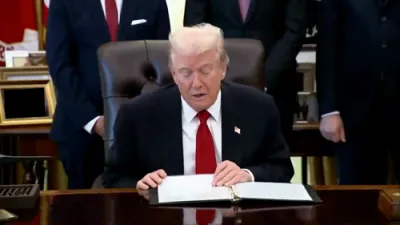
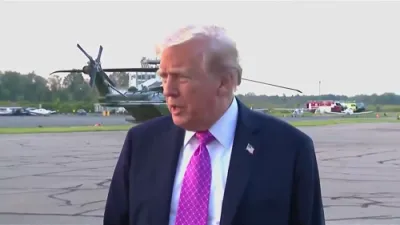
The Trump administration wasted no time claiming credit for the numbers, pointing to its Most Favored Nation pricing strategy, which ties U.S. drug prices to the lower rates paid by comparable developed nations, as the driving force behind the drop. The White House says 17 to 26 of the world's largest drugmakers, covering somewhere between 86% and 89% of the branded drug market depending on the count, have signed onto these pricing agreements. Officials also credit the TrumpRx platform, which the administration says has already delivered around $700 million in patient savings, with GLP-1 drugs that once cost more than $1,000 a month now starting at $149, and other high-cost medications like insulin and inhalers falling anywhere from 50% to 90%.
Not everyone agrees the picture is quite that simple, though. Drug pricing experts and independent analysts have cautioned that the BLS index doesn't actually track what drug companies charge, but rather what pharmacies receive after insurance, rebates, and negotiated discounts are factored in, meaning a falling number doesn't necessarily mean manufacturers themselves have cut sticker prices. Some researchers have pointed instead to a Biden-era law that allows Medicare to directly negotiate prices on select high-cost drugs as a more likely major contributor to the recent decline, alongside the routine effect of generic and biosimilar competition kicking in as brand-name patents expire. One expert went as far as saying the Most Favored Nation deals couldn't be driving the July numbers at all, since the pricing models tied to those agreements hadn't even launched yet by the time the data was collected.
What both sides seem to agree on is that the trend itself is real and significant, even if the explanation for it remains contested. Prescription drug prices had climbed dramatically over the prior four decades, running roughly three times faster than overall inflation since 1985, so a sustained reversal of that scale is notable regardless of which policy deserves the credit. The administration continues to frame this as proof that its aggressive negotiating posture with pharmaceutical companies is finally paying off for consumers, while independent researchers are urging a more cautious, multi-factor explanation before anyone declares total victory. As more Most Favored Nation deals fully take effect in the months ahead, the coming data releases should offer a clearer picture of just how much of the credit these agreements can genuinely claim.