STATE PRESENCE: Lebanese Military Deploys in Hezbollah Stronghold Under Fire
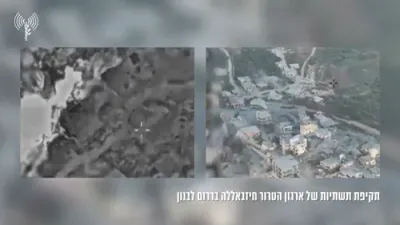
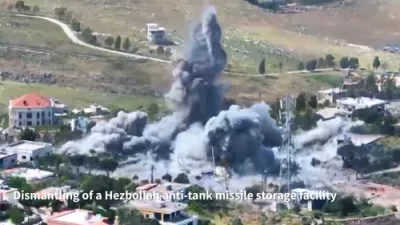
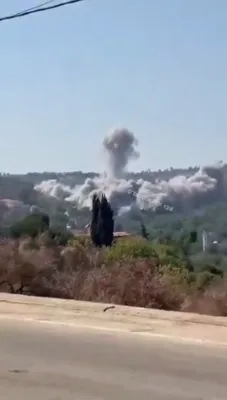
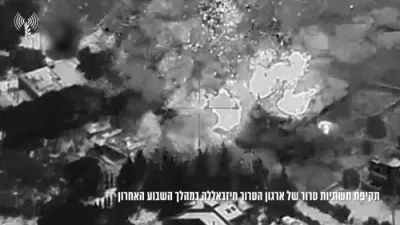
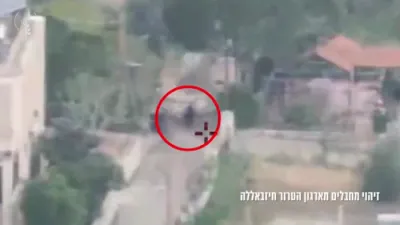
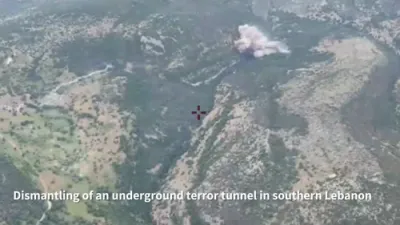
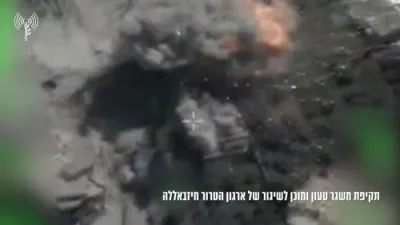
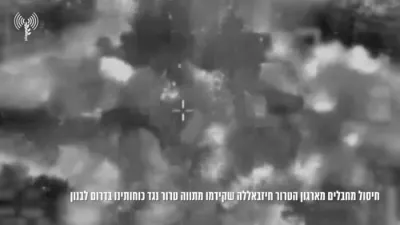
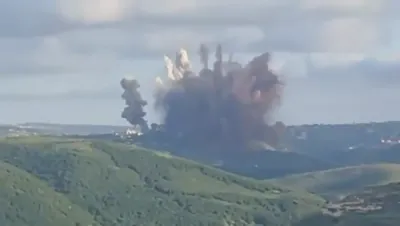
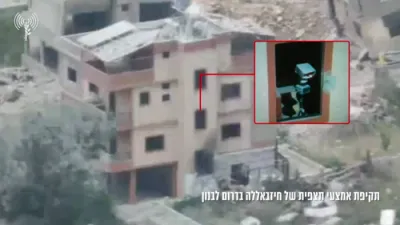
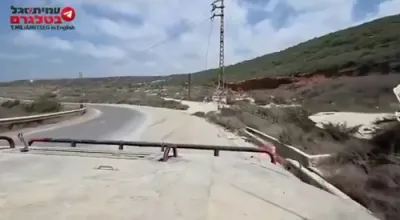
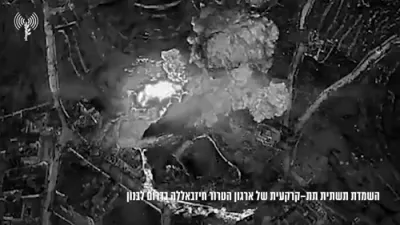
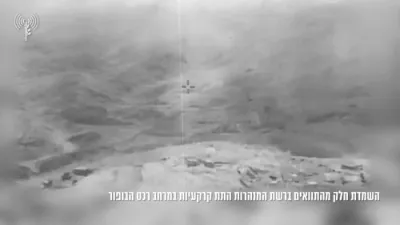
Lebanese troops have been seen deployed in the southern city of Nabatiyeh amid a series of increased Israeli airstrikes in and around the area. Video footage recorded from inside a moving vehicle shows military Humvees, armored vehicles and soldiers advancing along the city’s streets under clear skies. Civilian traffic, including cars and motorcycles, continues to move in the same areas as the military presence becomes visible. The deployment comes as Israeli forces carry out strikes that they say target Hezbollah infrastructure and command sites.
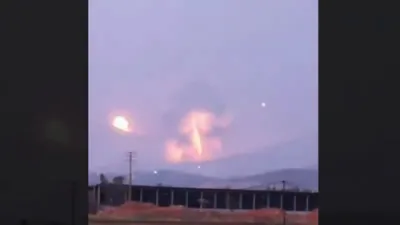
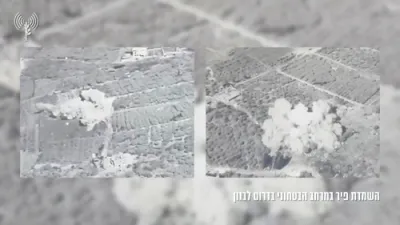
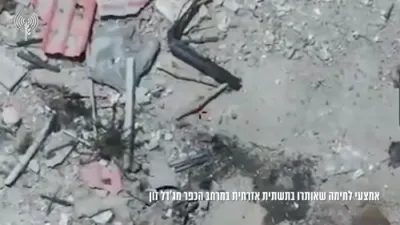
Recent Israeli airstrikes have hit Nabatiyeh itself as well as nearby locations such as Kfar Roummane and Arab Salim. Israel has described the operations as responses to drone attacks launched by Hezbollah against its forces. The strikes form part of a pattern of repeated escalations along the Lebanon-Israel border despite periods of fragile ceasefire. Local reports have noted damage and displacement linked to the ongoing aerial activity in the southern region.
Nabatiyeh has long been regarded as an area with significant Hezbollah influence and presence. The movement of Lebanese army units through its streets signals an effort by the state to assert authority and maintain a visible security role. Such deployments often occur during times of heightened tension when the government seeks to demonstrate control and prevent further instability. The presence of regular military forces alongside civilian life underscores the complex security environment in southern Lebanon.
The Lebanese Armed Forces have faced repeated challenges in operating near the border while navigating the influence of non-state armed groups and external military actions. Deployments like the one observed in Nabatiyeh are intended to reinforce the state’s monopoly on the use of force and to provide a measure of stability for local residents. At the same time, the army must carefully manage its posture to avoid direct confrontation with either Israeli forces or Hezbollah elements.
Israeli officials continue to insist that their strikes are precise and limited to military targets associated with Hezbollah. Lebanese authorities and residents, however, frequently report civilian impacts and broader disruption from the attacks. The cycle of drone launches, airstrikes and subsequent military movements has become a recurring feature of the security landscape in the south. Each round raises concerns about the durability of any ceasefire arrangements currently in place.
As Lebanese troops move through Nabatiyeh, the situation remains fluid and closely watched by both local and international observers. The deployment highlights the Lebanese state’s attempt to play a more active role in a region long dominated by other actors. Whether these movements lead to greater stability or simply reflect temporary responses to external pressure will depend on developments in the coming days and the willingness of all parties to reduce the tempo of cross-border attacks.