BESSENT DEFIES IRANIAN DEATH THREATS: Treasury Chief Says Bounty on His Head Signals Success
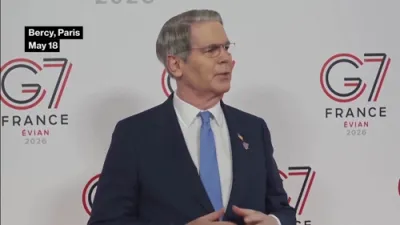
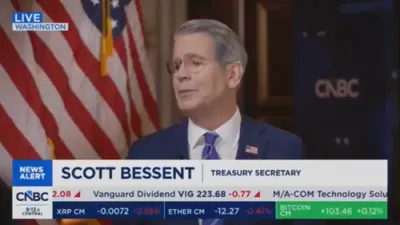
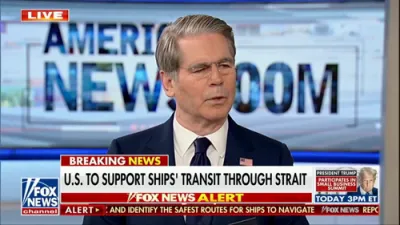
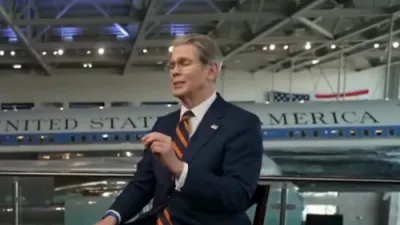
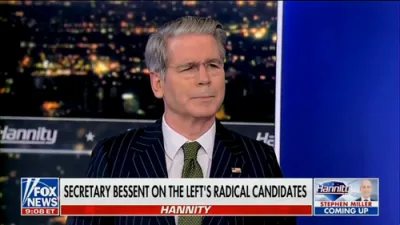
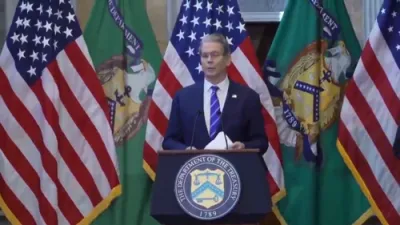
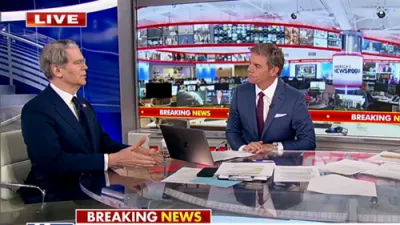
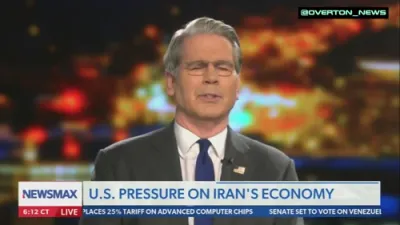
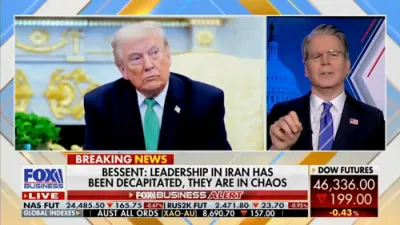
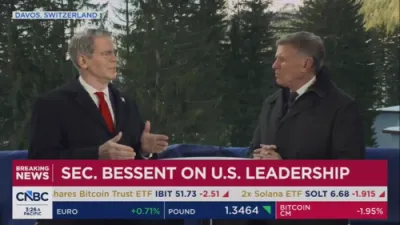
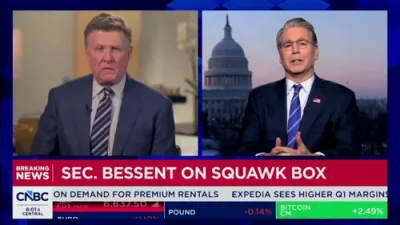
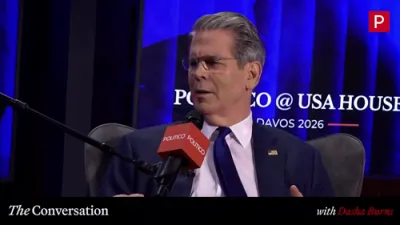
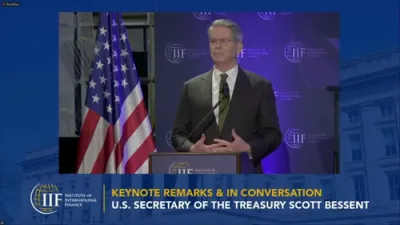
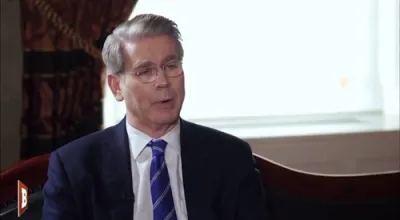
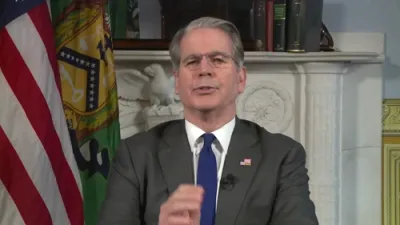
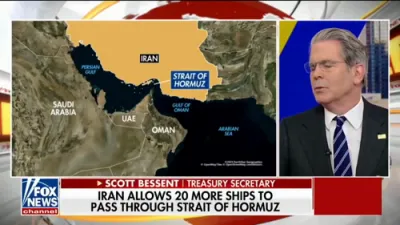
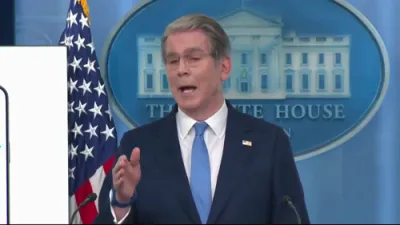
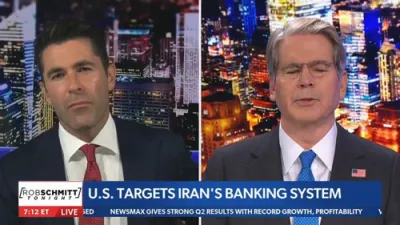
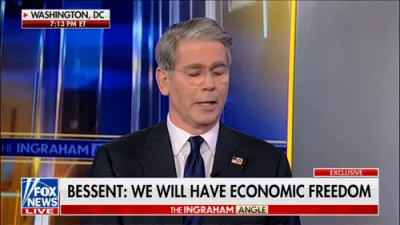
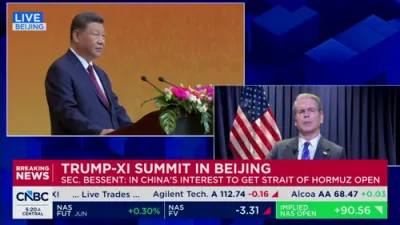
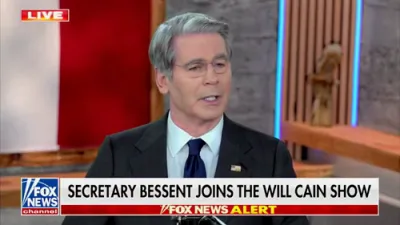
U.S. Treasury Secretary Scott Bessent is refusing to back down in the face of assassination threats attributed by American officials to Iran, declaring that a bounty reportedly placed on his head is evidence that Washington's pressure campaign is hitting Tehran where it hurts. In a recent interview, Bessent said, "I regard the bounty that they have on my head as a sign of success," making clear that he would not be intimidated into abandoning his responsibilities. "Our brave military fights every day, so I'm not going to be cowed, and we're going to keep going about our business every day," he added. Bessent has been leading the Trump administration's Operation Economic Outcast, an aggressive campaign combining financial sanctions, restrictions on Iranian shipping and a U.S. naval blockade aimed at cutting off the regime's economic lifelines. He claimed that the pressure has left Iran without oil cargoes at sea for the first time since the country began producing petroleum, sharply limiting its ability to generate revenue through international exports. Bessent also predicted that Iran's leadership could begin turning against itself as mounting economic and military pressure exposes divisions within the regime.
The Treasury secretary described Iran's leadership as "wounded, cornered animals" and suggested that internal divisions within the Islamic Revolutionary Guard Corps could intensify as the country's position deteriorates. His remarks came as Iranian President Masoud Pezeshkian publicly acknowledged that the country faces a difficult winter, citing energy shortages, damage to gas production infrastructure and mounting economic challenges. Pezeshkian described the situation as an economic war that could prove even harder than a conventional military conflict, warning that electricity and gas shortages could create serious problems in the months ahead. Bessent argued that the economic pressure campaign is producing results, while maintaining that Washington will continue its efforts until Tehran agrees to an acceptable deal. He also pointed to the U.S. Navy's role in restricting Iranian oil shipments and protecting maritime routes, although Iran continues to challenge the blockade and has threatened shipping in the region. With assassination threats, economic restrictions and military tensions continuing to shape the confrontation, Bessent's message was unmistakable: the Trump administration intends to maintain pressure rather than retreat under threats from Tehran.