TRUMP PUSHES AMERICAN FARM EXPORTS: President Claims Philippines Will Buy 100% of Its Agriculture and Energy From U.S.
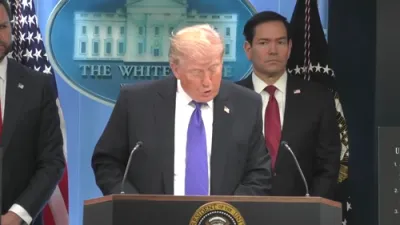
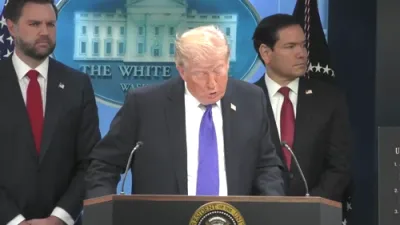
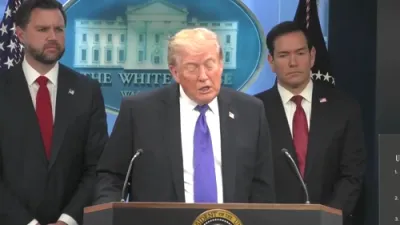
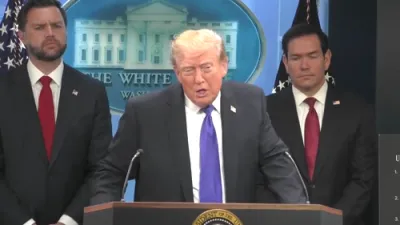
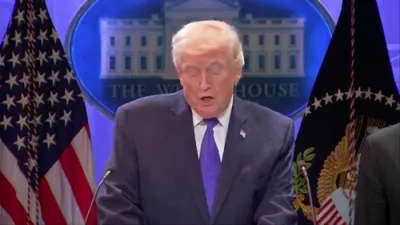
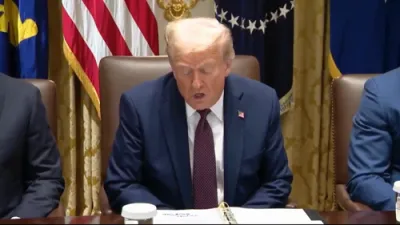
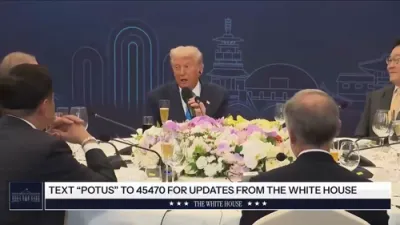
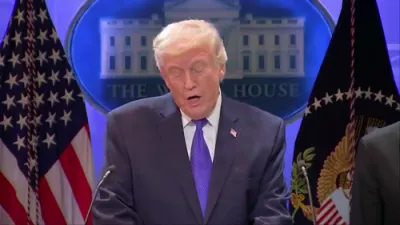
President Donald Trump is pushing for a dramatic expansion of American agricultural and energy exports to the Philippines, claiming he secured a commitment from President Ferdinand Marcos Jr. to purchase 100% of the country's agricultural and energy requirements from American suppliers. During a November 20 White House press conference, Trump revealed that he challenged Manila's reliance on foreign suppliers, particularly Brazil for agricultural products and Middle Eastern countries for energy. "If we protect you, you're gonna buy 100% from our farmers," Trump recalled telling Philippine leaders, adding that the proposed agricultural purchases would begin January 1. He also argued that America's security partnership with the Philippines should translate into stronger economic ties, questioning whether countries such as Brazil or Middle Eastern suppliers would defend Manila if China launched an attack. Trump said the arrangements could generate billions of dollars in new business for American farmers and energy companies while helping address the United States' trade deficit with the Philippines. The White House has separately identified increased Philippine purchases of American agricultural and energy products as a key component of the economic agreements announced during Trump's November visit to Manila.
However, the sweeping 100% purchasing commitment described by Trump has not been confirmed by the Philippine government, and President Marcos has offered a more measured account of the negotiations. Following his meeting with Trump, Marcos explained that the discussions focused on expanding access to American food and energy supplies while diversifying the Philippines' international trading partners rather than abandoning existing suppliers. He specifically mentioned potential purchases of American soybeans and wheat, along with efforts to identify more affordable energy sources. Philippine Energy Secretary Sharon Garin also said negotiations were ongoing and emphasized that any final arrangement must benefit Filipino households, rather than commit the country to purchasing all its requirements from a single source. The distinction is significant because the United States recorded an approximately $8.5 billion goods trade deficit with the Philippines in 2025, making expanded American exports an important objective for Washington. With the detailed terms still under negotiation, Trump's proposal could create substantial opportunities for American farmers and energy producers, but whether Manila ultimately agrees to the president's proposed 100% purchasing arrangement remains to be determined.