SECURITY FAILURE EXPOSED: Flagged Co-Pilot Nearly Crashed Jet Into Israel
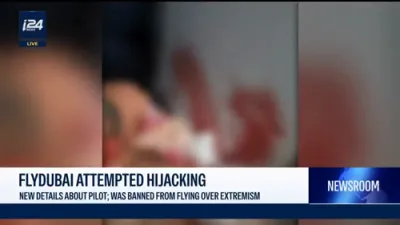
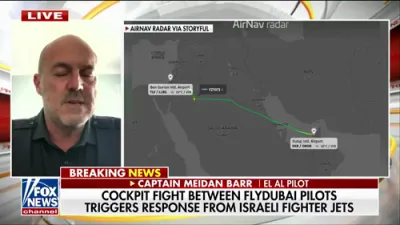
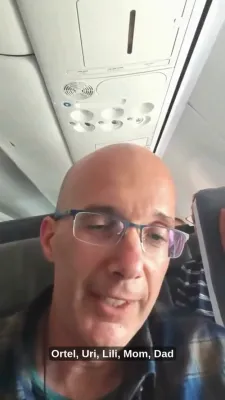
Israel had no idea the co-pilot flying Flydubai flight FZ1073 had already been barred from the cockpit once before, grounded by his previous employer, Oman Air, over fears he had become radicalized. That gap in knowledge nearly proved catastrophic on September 30, when the Omani first officer, identified as Hamam al-Hammami, attacked Captain Smit Machchhar with the plane's emergency crash axe mid-flight and tried to seize control of the aircraft. The flight, carrying more than 170 passengers from Dubai toward Tel Aviv, was only saved after quick-thinking crew members and passengers wrestled al-Hammami away from the controls, allowing the plane to divert and make an emergency landing in Saudi Arabia. Both the captain and the co-pilot were hospitalized following the struggle, and UAE investigators have since confirmed the incident was an attempted terrorist act.
The case has since exposed a glaring hole in international aviation security, as it turns out al-Hammami had been pulled from training at Oman Air back in 2024 after officials there found him in possession of extremist material, yet none of that history followed him when Flydubai later hired him. He went on to work briefly at Morocco's Royal Air Maroc before joining Flydubai, with reports suggesting his radicalization deepened during stretches of time spent in Syria. Investigators say there is currently no global system in place that flags pilots removed from flying duty over extremism, meaning red flags raised in one country can simply vanish once a pilot crosses a border and applies elsewhere. With the investigation still ongoing, the incident has triggered urgent questions across the aviation industry about how a man once deemed too dangerous to fly ended up back in a cockpit, this time on a route into Israel.