LONG-RANGE BLAST: Russian Defense Ministry Confirms Major Ballistic Missile Trial
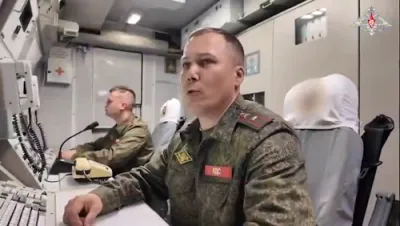
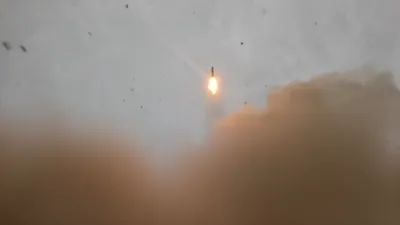
Russia carried out a test launch of an intercontinental ballistic missile today from the Plesetsk Cosmodrome, according to an official statement from the Russian Defense Ministry. The missile reportedly traveled more than 6,700 kilometers during the flight. The ministry described the launch as a planned evaluation of the system’s tactical, technical, and flight parameters. Such tests are conducted to verify that the missile performs as designed under real operating conditions. The announcement confirms the event took place and provides the key distance achieved.
The Plesetsk Cosmodrome, located in northern Russia, has long served as a primary site for ballistic missile trials and space launches. Choosing this facility for the latest test underscores its continued role in the country’s strategic forces development program. The reported range of over 6,700 kilometers places the flight well into the category of long-distance strategic systems. Officials indicated that every major performance aspect was under review during the trajectory. Data collected from the flight will be analyzed to assess accuracy, reliability, and overall system readiness.
According to the Defense Ministry, the primary purpose of the launch was to examine the missile’s tactical and technical characteristics along with its flight behavior. This type of comprehensive check helps engineers and military planners confirm that the weapon meets required standards before any further decisions on deployment or production. The test appears to have proceeded according to plan, with the ministry releasing the range figure as evidence of successful performance. No additional details on the specific missile type or payload configuration were included in the initial statement. The focus remained on the successful completion of the parameter evaluation.
Test launches of this nature are closely watched both inside Russia and by international observers because they demonstrate ongoing investment in strategic capabilities. The distance achieved provides a clear benchmark for the system’s reach and potential operational envelope. By conducting the trial from Plesetsk and publicly noting the results, the ministry signals confidence in the missile’s current state of development. The information released is limited to the essential facts of location, distance, and purpose. Further technical findings are likely to remain classified for the time being.
The successful flight adds to a series of recent activities aimed at maintaining and modernizing Russia’s long-range missile forces. Each test contributes data that can be used to refine guidance systems, propulsion, and other critical components. The ministry’s decision to announce the launch and the range figure ensures the event enters the public record. For analysts, the 6,700-kilometer mark offers a concrete data point for assessing the system’s capabilities. The absence of reported anomalies suggests the trial met its core objectives.
As more information becomes available, attention will turn to how this test fits into broader patterns of strategic force development. The combination of a northern launch site, a substantial reported range, and an explicit focus on tactical and technical parameters paints a picture of a deliberate and measured evaluation. For now, the official account stands as the primary source on the event. The missile’s flight across more than 6,700 kilometers marks a notable demonstration of reach and technical performance on the day of the launch.