ISRAELI DRONE TECHNOLOGY IN ACTION: Aero Sentinel Integrates SENIX With Rafael's Spike Missiles
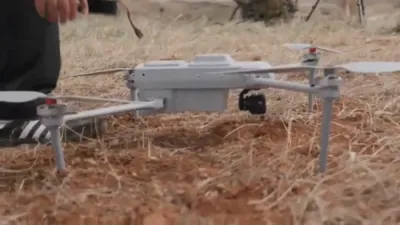
Israeli defense technology is demonstrating how compact surveillance drones can work alongside advanced missile systems to support precision military operations. Aero Sentinel has integrated its new SENIX tactical intelligence, surveillance and reconnaissance (ISR) drone with Rafael Advanced Defense Systems’ Spike missile family during major international military exercises. The integration allows the drone to transmit live visual intelligence and target updates to support identification, verification and engagements beyond the operator’s direct line of sight. Designed for rapid deployment by a single operator, SENIX combines daytime and thermal imaging with a low acoustic signature and extended flight endurance. The platform offers approximately 70 to 80 minutes of flight time and a communications range of up to 10 kilometers, depending on operating conditions. The system is also reportedly being used by an Israeli Defense Forces special unit, highlighting its development from a tactical surveillance platform into part of a broader battlefield intelligence network.
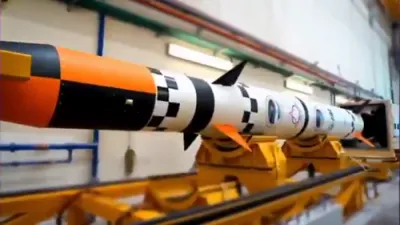
The integration with Rafael’s Spike missile family is particularly significant because it connects real-time aerial surveillance with precision-guided strike capabilities. Information collected by SENIX can help operators locate and verify targets, update their understanding of the battlefield and support engagements in complex environments. Rafael’s Spike family includes systems designed for beyond-line-of-sight operations, using advanced guidance and data-link technologies to support engagements at extended distances. The companies’ reported demonstrations illustrate the growing importance of connecting unmanned aircraft, battlefield sensors and precision weapons into integrated operational systems. Aero Sentinel is also preparing to expand SENIX production and plans to introduce visual-based navigation capabilities in 2027, reducing reliance on satellite navigation in environments affected by GPS interference. The development reflects Israel’s continued investment in unmanned systems and networked defense technology as militaries seek faster intelligence collection and more responsive battlefield capabilities.