DRONE DOMINANCE: SOUTHCOM Chief Vows to Choke Cartel Networks with Unmanned Force
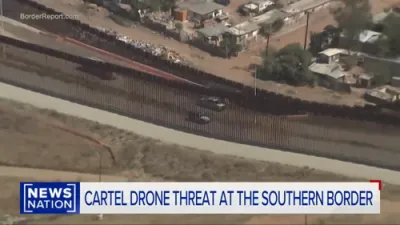
U.S. Southern Command is putting its money where its mouth is when it comes to fighting cartel networks in the Western Hemisphere, and the weapon of choice is autonomy. Gen. Francis L. Donovan, the commander of SOUTHCOM, has been pushing hard for the military to lean into unmanned and autonomous systems across both the maritime and air domains, arguing that these tools dramatically boost the command's ability to see and understand what's happening across its entire area of responsibility. That vision is now taking shape through the newly created SOUTHCOM Autonomous Warfare Command, a unit stood up to link small tactical operations with bigger, long-term strategic goals. Rather than relying purely on traditional patrols and manned platforms, the command is betting that unmanned systems can extend reach, cut costs, and keep watch over vast, difficult terrain in ways human-only operations never could.
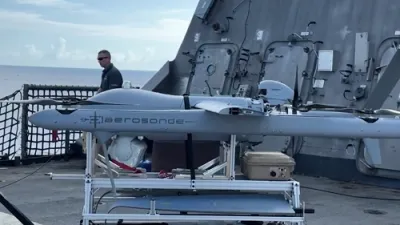
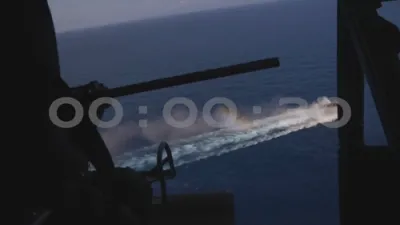
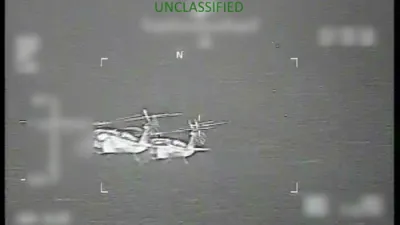
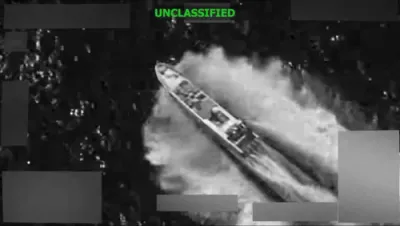
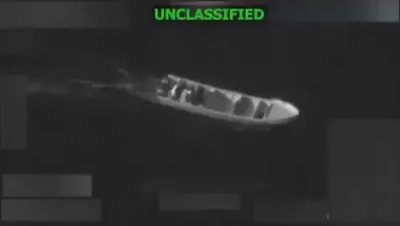
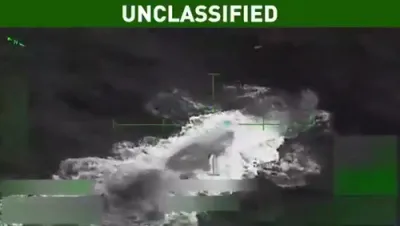
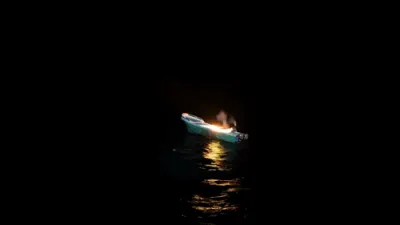
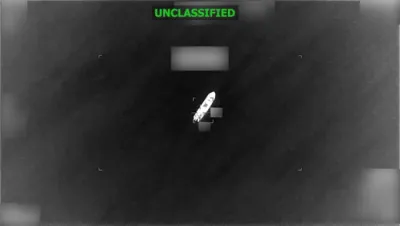
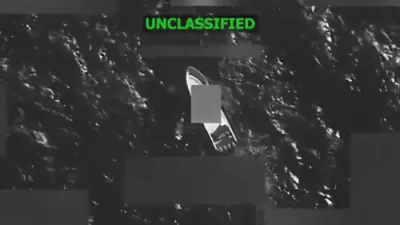
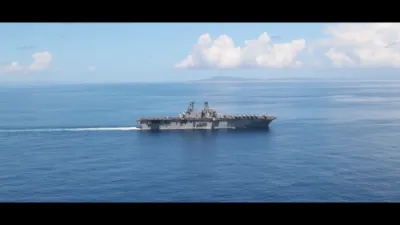
This isn't a solo effort by the U.S. military; it's a team approach built around partnership. SOUTHCOM is working directly with the Americas Counter Cartel Coalition and a range of regional allies to bring these autonomous tools into shared operations against narco-terrorist and cartel networks. Video accompanying the initiative shows U.S. and partner forces, including Panamanian personnel, physically assembling and training with drones like the Aerosonde, alongside sea-based surveillance platforms capable of supporting vessel intercepts. The message is clear: cartel groups that have long exploited gaps in maritime and air surveillance across Latin America and the Caribbean are about to find those gaps a lot smaller. By pooling resources and expertise with partner nations, the coalition aims to make illicit trafficking routes far riskier and far less profitable to operate.
Central to this whole push is a phrase Donovan used directly: "total systemic friction." The idea is straightforward even if the execution is complex, layering autonomous surveillance, interception capabilities, and rapid-response systems on top of each other so that cartel and narco-terrorist operations run into resistance at every stage, not just at a single chokepoint. This layered approach is meant to make the Western Hemisphere a fundamentally less permissive environment for illicit actors, cutting off the operational breathing room that has allowed trafficking networks to thrive for decades. Rather than chasing individual smuggling attempts one at a time, the goal is to build a persistent, technology-driven presence that makes large-scale illicit movement structurally harder to pull off.
The broader significance here goes beyond any single drone or patrol boat. SOUTHCOM's Autonomous Warfare Command represents a shift in how the U.S. military approaches an entire region, treating unmanned systems not as a supplement to traditional forces but as a central pillar of regional security strategy. With cost-effectiveness and scalability as core selling points, the command is positioning itself to sustain this kind of pressure over the long haul rather than through short bursts of activity. For narco-terrorist networks accustomed to operating in the shadows of limited surveillance, the message from SOUTHCOM is direct: those shadows are shrinking fast.