Loading
זעמל - Mayor Mamdani Announces 10,000 New ACS Vouchers for Low-Income Families   |  זעמל - Jerusalem - Marking the yahrzeit of the "Sanigoron Shel Yisroel..   |  זעמל - Slovakia: Hundreds of Yidden who traveled for the yahrtzeit of the holy Chasam Sofer zy"a participate in a grand Hachnasas Sefer Torah on the stree..   |  בקיצור - US Embassy in Moscow Issues Health Alert Following Reported Virus Leak at Russian Lab   |  בקיצור - U.S. Military Tests Counter-Drone Technology at Mexican Border as Cartel Drone Use Surges   |  בקיצור - Immigrant Worker in Saudi Arabia Sentenced to Death for Social Media Post Mocking Muhammad   |   זעמל - Mayor Mamdani Announces 10,000 New ACS Vouchers for Low-Income Families   |  זעמל - Jerusalem - Marking the yahrzeit of the "Sanigoron Shel Yisroel..   |  זעמל - Slovakia: Hundreds of Yidden who traveled for the yahrtzeit of the holy Chasam Sofer zy"a participate in a grand Hachnasas Sefer Torah on the stree..   |  בקיצור - US Embassy in Moscow Issues Health Alert Following Reported Virus Leak at Russian Lab   |  בקיצור - U.S. Military Tests Counter-Drone Technology at Mexican Border as Cartel Drone Use Surges   |  בקיצור - Immigrant Worker in Saudi Arabia Sentenced to Death for Social Media Post Mocking Muhammad   |  

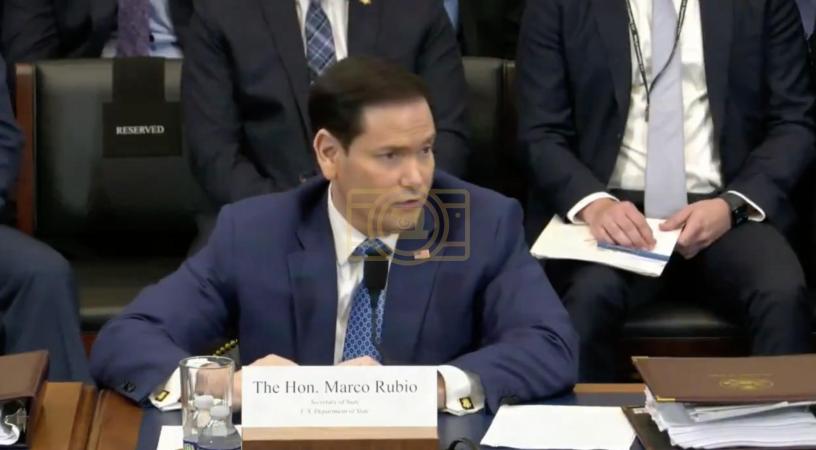
Secretary Rubio Defends U.S. Global Role While Stressing Strategic Alliance Responsibilities.

June 3rd,

0 232
Main image for Secretary Rubio Defends U.S. Global Role While Stressing Strategic Alliance Responsibilities.

Videos


Secretary of State Marco Rubio argued that Western European nations have, for decades, benefited from the U.S.-backed security architecture, allowing them to allocate significant national resources toward domestic social programs rather than defense spending. His remarks framed the longstanding American security role as a central pillar of post–Cold War stability in Europe.

Rubio emphasized that the United States has historically carried a disproportionate share of collective defense responsibilities, particularly through NATO structures, enabling allied nations to prioritize internal economic and social development. His comments come amid ongoing debates in Washington over burden-sharing, military readiness, and the strategic distribution of defense commitments among allies.

The broader discussion has also been linked by commentators to contrasting security models across U.S. partnerships, including close non-NATO relationships such as with Israel, which operates in a uniquely high-threat regional environment and maintains continuous military readiness. Supporters of strong U.S.-Israel cooperation argue this demonstrates a different model of alliance burden-sharing based on direct operational coordination rather than collective defense treaties.