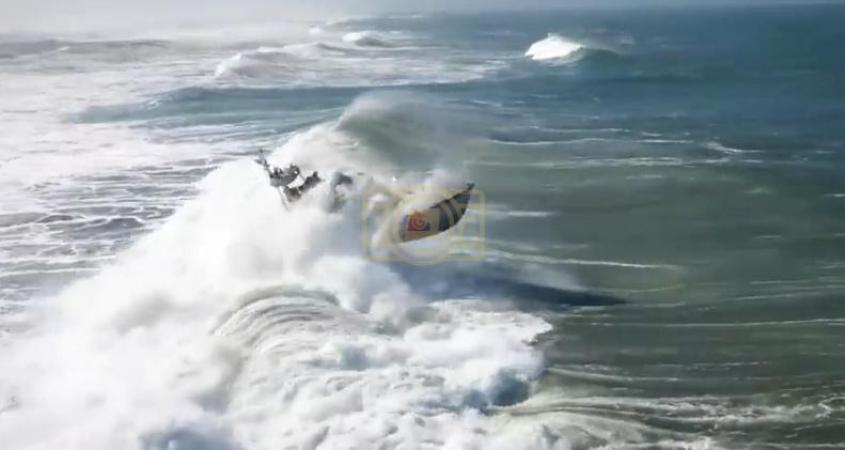
U.S. Maritime Forces Train to Survive Violent Ocean Conditions.
Gallery
Videos
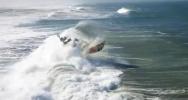
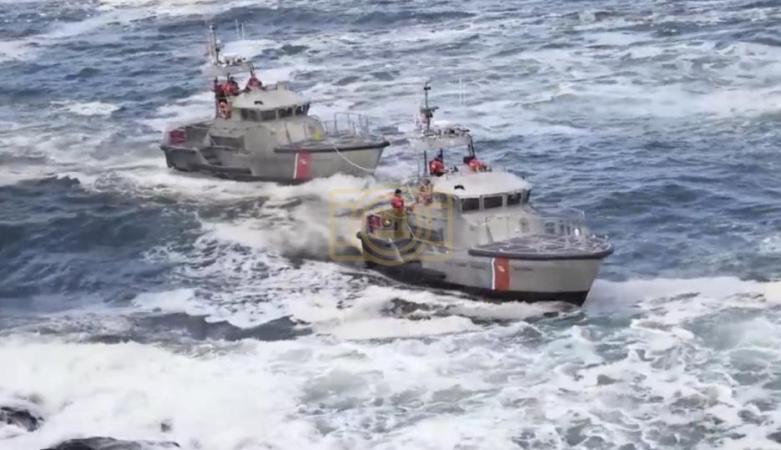
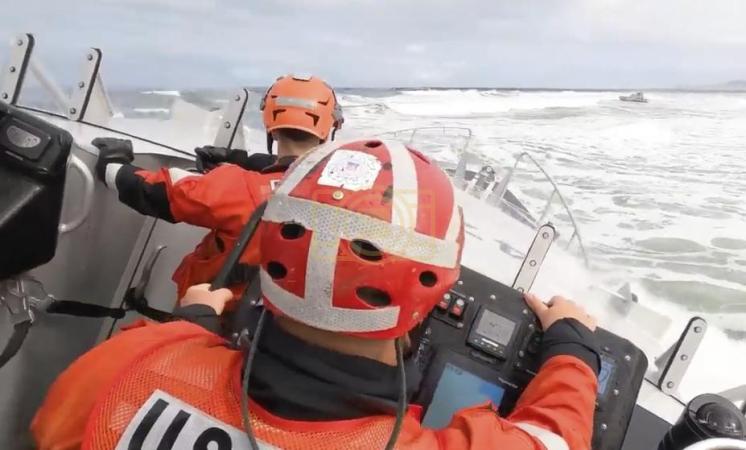
Challenging footage from rough seas highlights the intense maritime training undertaken by the United States Coast Guard, Customs and Border Protection Marine Operations, and the U.S. Marine Corps as crews prepare to operate in some of the most dangerous ocean conditions imaginable. The training demonstrates how specialized vessels and highly trained personnel confront massive waves, powerful winds, and unpredictable seas during severe storms.
Operating in extreme weather is a core requirement for maritime security and rescue missions. Crews are trained to maintain vessel control, situational awareness, and operational readiness while navigating towering waves that can violently strike hulls and decks. These exercises simulate real-world scenarios such as search-and-rescue operations, maritime interdictions, and national security missions conducted far from shore and under life-threatening conditions.
The footage underscores the physical and mental demands placed on maritime forces. Precise coordination, advanced seamanship, and constant communication are essential as vessels pitch and roll in heavy seas. Training alongside CBP Marine Operations and the U.S. Marine Corps further strengthens interagency coordination, ensuring that joint forces can operate seamlessly during emergencies or security operations.
Such rigorous preparation reflects the United States’ commitment to maritime safety, border security, and rapid response capabilities. By routinely pushing crews and equipment to their limits, these agencies ensure they are ready to protect lives and national interests, even in the most hostile maritime environments.