New Data Confirms Red States Have Lower Inflation Than Blue States.
Gallery
Videos
Newly released data from the White House Council of Economic Advisers confirms Treasury Secretary Scott Bessent’s claim that residents of conservative states face lower inflation than those in liberal states. According to the November 2025 analysis, overall year-over-year inflation was 2.5% in red states compared to 3% in blue states.
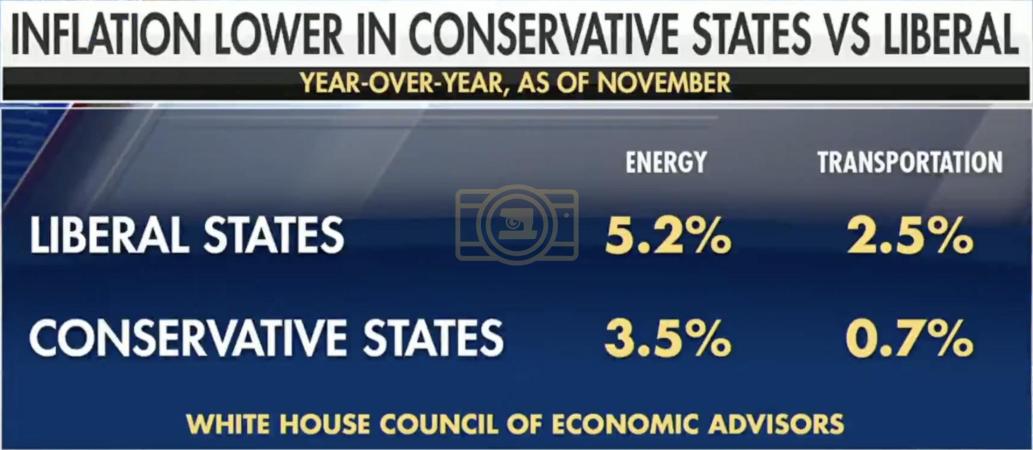
The report highlights even larger disparities in specific sectors. Energy costs rose 3.5% in red states versus 5.2% in blue states, while transportation expenses increased just 0.7% in red states compared to 2.5% in blue states. These differences reinforce Bessent’s earlier suggestion that relocating from blue to red states can reduce personal exposure to rising costs.
Officials attribute part of the higher inflation in liberal states to energy policies emphasizing subsidized renewable sources like wind and solar, which, while politically promoted, require significant government support due to intermittency and unreliability. Analysts argue these policies contribute to elevated prices for residents in those states.
The findings have been praised by fiscal conservatives as evidence that economic outcomes correlate with state-level policy choices. Supporters contend that reducing regulatory burdens and dependency on subsidized green energy can lower costs for households and improve economic resilience.
Treasury Secretary Bessent emphasized that understanding regional inflation dynamics is crucial for policymakers and citizens alike, noting that households in lower-cost states experience tangible benefits in energy, transportation, and overall living expenses. The data also provides insight into the economic consequences of energy and fiscal policies across the United States.