CARRIAGE BAN: Mamdani Signs Law Phasing Out 150-Year NYC Horse-Drawn Carriages By June 2028 Following Teen's Death

Gallery
Videos
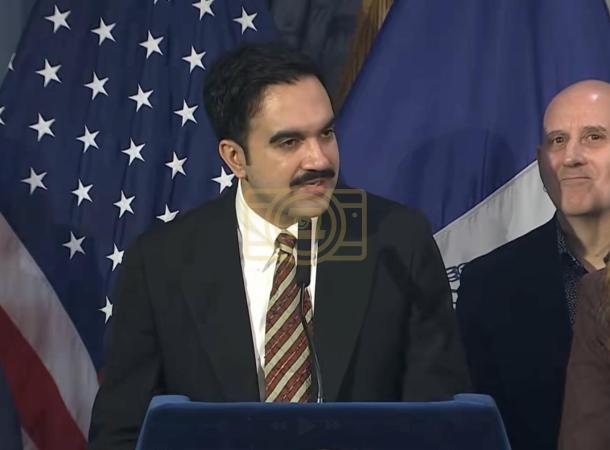
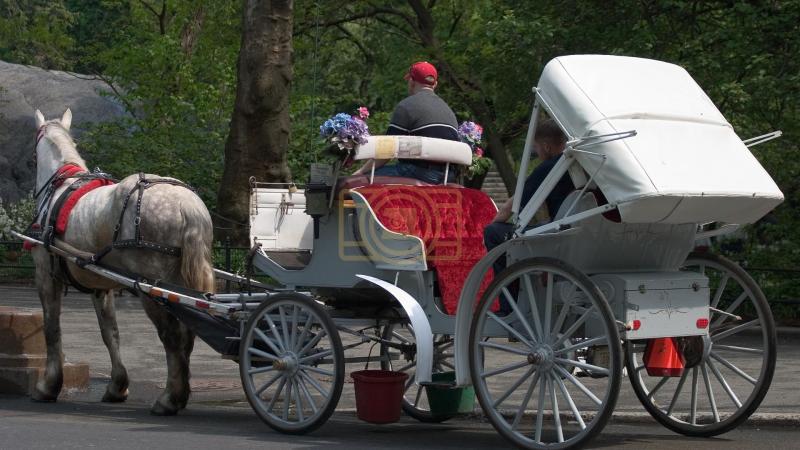
New York City Mayor Zohran Mamdani has signed Romanch’s Law, officially setting a deadline to end the city's horse-drawn carriage industry after more than 150 years. Signed at City Hall on November 19, 2026, the legislation requires all horse-drawn carriages to stop operating on city streets by June 1, 2028. The law is named after 18-year-old Romanch Mahajan, a tourist from India who died on June 17 after a horse pulling a carriage in Central Park bolted, causing a deadly accident. Mahajan was reportedly thrown from the runaway carriage and suffered fatal injuries, turning the incident into a major catalyst for renewed demands to eliminate the industry. Animal welfare advocates have long argued that horses should not be forced to navigate crowded city streets alongside traffic, cyclists and pedestrians, while supporters of the carriage industry have defended the tradition and questioned claims that it is inherently unsafe. Mamdani said the city must move forward while ensuring that workers who depend on the industry receive financial assistance and opportunities to transition into other employment.
The legislation also establishes a transition framework for approximately 200 affected workers, including carriage drivers, medallion owners and stable employees. The administration plans to facilitate medallion buybacks and provide career counseling, job training, entrepreneurship assistance, educational opportunities and connections to new employers, with a more detailed transition plan expected by April 2027. City officials are also exploring possible alternatives, including electric carriages and pedal-assist bicycles, through a feasibility study examining options for Central Park and its surrounding areas. However, the decision immediately triggered a legal challenge from Transport Workers Union Local 100, which filed a federal lawsuit seeking to block the ban and arguing that the city is threatening workers' livelihoods and property interests. The lawsuit adds another battle to a decades-long dispute between animal welfare advocates and an industry that has become one of Central Park's most recognizable attractions. With the June 2028 deadline now established, New York City faces the challenge of ending a historic tradition while addressing the economic consequences for the people whose jobs depend on it.