HUNTER-KILLER DEBUT: Black Hawk Launches Autonomous Strike Drone in Desert Test
Gallery
Videos
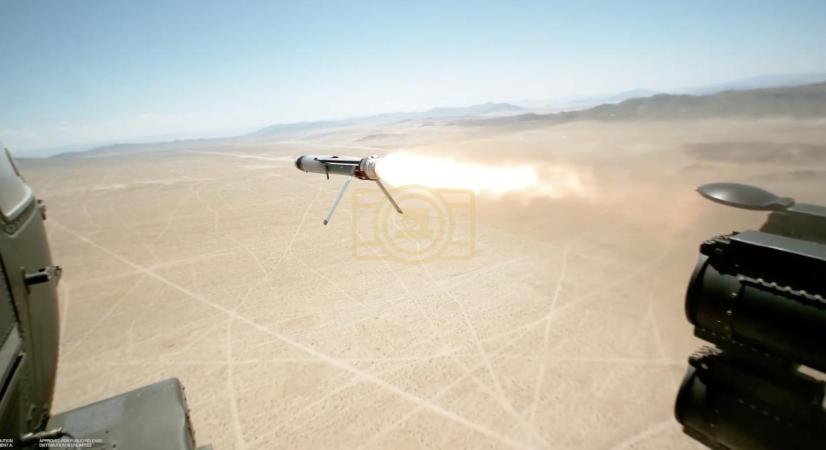
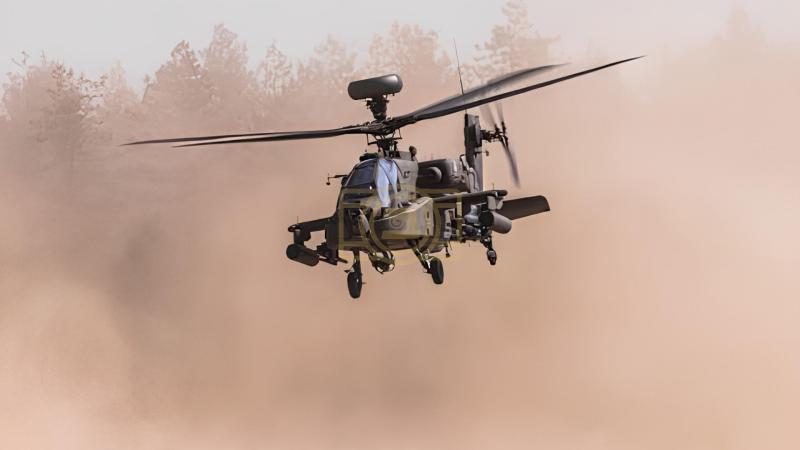
At Fort Irwin, California, the U.S. Army pushed helicopter warfare a step closer to the future during Project Convergence Capstone 6, a massive July 2026 exercise involving roughly 10,000 participants testing more than 90 new technologies. Among the standout moments was an H-60M Black Hawk crew launching an Altius-700, a rocket-propelled drone built by defense technology company Anduril, directly from the aircraft. Rather than flying toward a threat and risking exposure to enemy air defenses, the crew released the drone from a distance and let it take over from there. The demonstration highlighted a growing shift in how the Army wants to use its helicopter fleet, treating it less like a weapon that has to get close to danger and more like a mobile launch platform that can strike from a safe distance.
What made the test especially notable was what happened after launch. The Altius-700 operated as part of what the Army calls a "hunter-killer team," working with other drones to autonomously locate a target, share that information across the formation, and carry out a strike, all without a human directly steering it toward the objective in real time. This kind of networked, semi-autonomous coordination is designed to let a small number of drones do the work of scouting and striking that would otherwise require exposing manned aircraft or ground troops to danger. The armed version of the system, known as the Altius-700M, is built as a loitering munition, meaning it can circle an area for an extended period before engaging a target, giving operators flexibility that traditional missiles don't offer.
This test didn't happen in isolation. It builds on a broader Army initiative called Air-Launched Effects, a program aimed at extending the reach and survivability of helicopters like the Black Hawk by letting them deploy smaller, expendable drones instead of flying directly into contested airspace. The Army has been developing this capability in partnership with its own aviation engineers as well as commercial partners like Anduril, and this Capstone 6 test builds on earlier demonstrations conducted earlier in the year. Officials have framed the effort as part of a larger push to modernize Army aviation quickly, rather than waiting years for a single next-generation aircraft to replace existing platforms.
The implications extend beyond a single test flight in the Mojave Desert. If this kind of air-launched, autonomous strike capability becomes standard across the helicopter fleet, it could change how the Army approaches missions in heavily defended environments, where sending manned aircraft in close has traditionally meant significant risk to crews. Systems like the Altius-700 are already part of ongoing military assistance efforts for allies facing contested airspace, suggesting this technology's reach may extend well beyond U.S. forces. For now, the Fort Irwin demonstration stands as a proof of concept, one more step in the Army's effort to keep its pilots farther from the fight while still getting the job done.