SOYUZ ROARS OVER PLESETSK: Russia Launches Military Navigation Satellite Into 19,000-Km Orbit
Gallery
Videos
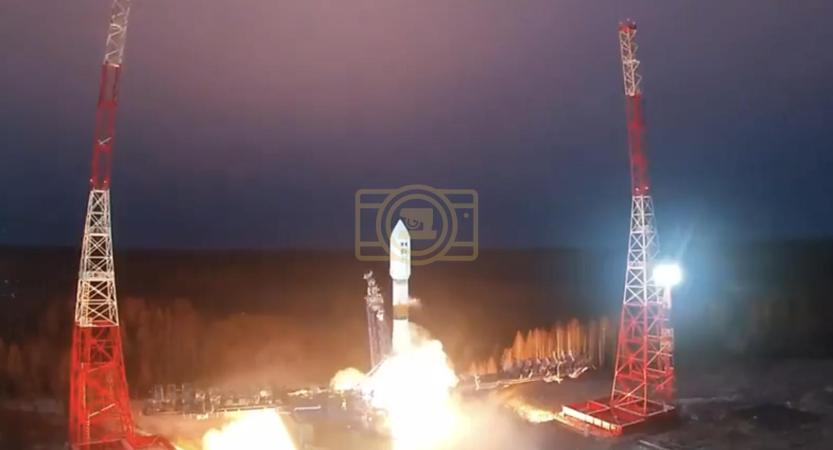
Russia's Aerospace Forces have launched a military satellite into Medium Earth Orbit, about 19,000 kilometers above the planet, for the Defense Ministry. A Soyuz-2.1b rocket with a Fregat upper stage lifted off from pad 43/3 at the Plesetsk Cosmodrome around 13:30 UTC on November 7, 2026. Launch video shows a nighttime liftoff with intense engine flames and thick smoke, as the rocket climbs past the support towers and shrinks into a bright point in the sky. The footage confirms a normal ascent, and the payload is widely identified as a GLONASS-K navigation spacecraft.
GLONASS is Russia's answer to GPS, and this launch is described as the 70th mission to replenish the constellation. The newer GLONASS-K satellites are designed for better accuracy and a ten-year lifespan, and they fly at a 64.8-degree inclination that favors coverage of high northern latitudes. Russian officials usually say very little about the exact payloads on launches like this, which is why the satellite's identity is described as "widely assessed" rather than officially confirmed. That leaves open questions about how much the new satellite will improve coverage and accuracy, and how it fits into Russia's military and civilian navigation plans.