EPA LAUNCHES IMMEDIATE LEAD TESTING IN IOWA: Zeldin Promises Monitoring Will Continue Until Community Is Safe
Gallery
Videos
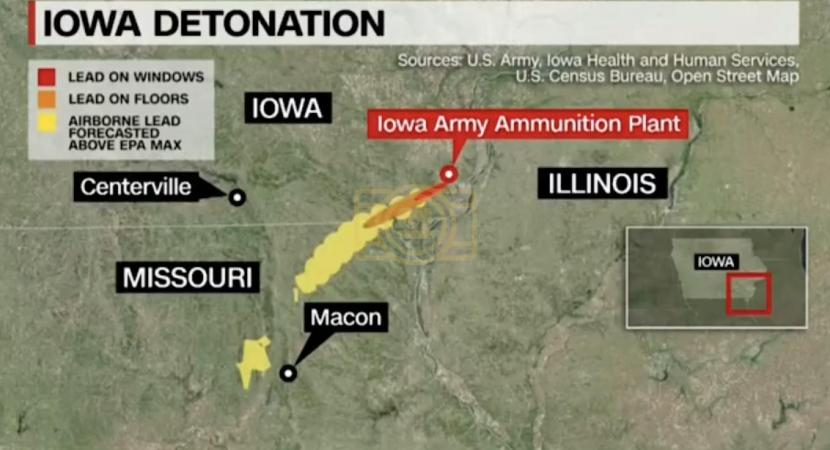
Environmental Protection Agency Administrator Lee Zeldin says federal teams are immediately collecting environmental samples following the U.S. Army's controlled detonation of nearly five tons of unstable lead azide at the Iowa Army Ammunition Plant. The operation, carried out Wednesday, November 25, was designed to eliminate a dangerous stockpile that officials feared could explode spontaneously if left undisturbed. Zeldin emphasized that the EPA will remain involved for as long as necessary, with teams measuring potential lead contamination in the surrounding communities and monitoring the environmental impact of the blast. The agency had already collected more than 1,200 baseline samples from soil, dust, water and air before the detonation, providing a reference point for comparison with post-explosion results. Those measurements are critical for determining whether lead-containing particles escaped containment, where they may have settled and whether additional cleanup measures are necessary. Federal officials have described the operation as an extensive, coordinated safety effort involving the Army, EPA, FEMA and other agencies, with protecting nearby residents as the central priority.
The Army deployed multiple protective measures before the explosion, including water barriers, specialized foams, gel blocks, containment screens and extensive soil saturation intended to limit the spread of airborne particles. Initial reports following the detonation indicated that the mitigation effort performed better than feared, with early air-monitoring results showing no detectable airborne lead during the first 15 minutes after the blast. However, officials stressed that those initial readings do not replace the need for continued testing of air, soil, water and other surfaces where lead dust could potentially settle. EPA personnel are coordinating with federal partners to analyze the samples and determine whether any areas require further environmental remediation. Zeldin's commitment to keeping teams on the ground reflects the seriousness of the potential health risks associated with lead exposure, particularly for children and pregnant women. The mission will not be considered complete simply because the explosives have been destroyed; authorities must also establish whether surrounding communities and the environment have been adequately protected.