GAZA STRIKES: IDF Hits Khan Yunis and Nuseirat Camp Per Palestinian Reports
Gallery
Videos
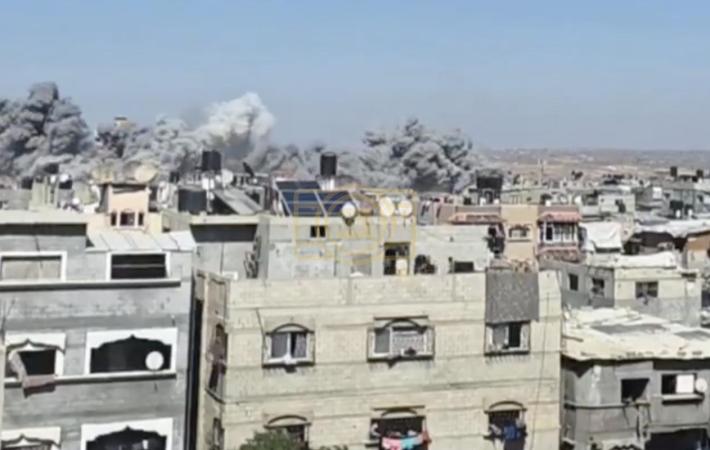
Palestinian sources reported Israeli strikes on the Khan Yunis area and the Nuseirat refugee camp in central Gaza on September 9, 2026. Video footage circulating from the scene shows multiple large smoke plumes rising over densely built urban zones under clear skies. Some frames appear to capture distant explosions viewed from damaged buildings, accompanied by Arabic on-screen text typical of local real-time documentation. The images align with accounts of impact sites in both southern and central parts of the territory.
Gaza health officials and local media stated that the operations resulted in several Palestinian deaths, including a child and an elderly man. According to hospital reports, a 10-year-old boy was killed by Israeli fire near tents housing displaced people east of Khan Yunis. A 69-year-old man was also killed south of the city. Both incidents were described as occurring on the Palestinian side of the so-called yellow line that marks areas of continued Israeli military presence.
In the Nuseirat refugee camp, an Israeli strike on a tent sheltering displaced Palestinians wounded at least ten people, according to Al-Awda Hospital. Additional reports mentioned injuries from other strikes and gunfire in nearby areas. Residents in several locations said they received evacuation warnings before the attacks. The Israeli military did not immediately issue a detailed public comment on the specific incidents reported by Palestinian authorities.
These events are taking place against the backdrop of a fragile ceasefire that has been in effect since late 2025. While the truce largely ended the most intense phase of ground and air campaigns, Israeli forces have continued limited operations, including strikes and enforcement along designated lines. Palestinian officials routinely describe such actions as violations of the agreement. United Nations agencies have noted that large portions of Gaza remain difficult to access and that civilian casualties near the yellow line have persisted.
The combination of reported deaths, injuries and visible smoke has renewed questions about the durability of the current quiet. Displaced families living in tents remain especially exposed. Local health facilities continue to treat new wounded while struggling with limited resources. Each new round of strikes, even if limited in scale compared with earlier stages of the conflict, adds to the cumulative human and material toll.
As details continue to emerge from hospital records and eyewitness accounts, the incidents in Khan Yunis and Nuseirat underscore the incomplete nature of the ceasefire. Both sides maintain differing interpretations of what the truce permits. For civilians on the ground, the practical result is ongoing risk of sudden violence in areas that have already endured years of destruction and displacement.