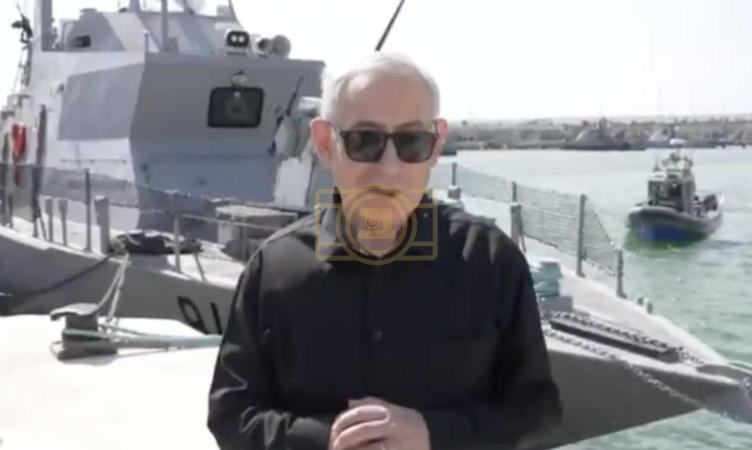
NETANYAHU-EISENKOT UNITY TALKS COLLAPSE: Haredi Draft Exemptions Return to Center of Israeli Coalition Battle

Gallery
Videos
Efforts to form a national unity government between Israeli Prime Minister Benjamin Netanyahu and Gadi Eisenkot appear to have collapsed, shifting attention back to the difficult negotiations over the military draft of ultra-Orthodox yeshiva students. The two political leaders met for approximately two hours on Sunday, November 29, but emerged without an agreement, and no further meetings were scheduled. Eisenkot reportedly reaffirmed his commitment to his existing political bloc and continued discussions with former Prime Minister Naftali Bennett, whose party is negotiating the terms of a potential coalition. One of the biggest obstacles remains the demand by United Torah Judaism (UTJ) for legislation preserving broad military-service exemptions for eligible yeshiva students. Reports indicate that Eisenkot's representatives and UTJ negotiators have discussed a framework that could eliminate enlistment quotas for Haredi men actively studying Torah, a proposal that has raised concerns among other potential coalition partners. Bennett, meanwhile, has insisted on receiving a detailed military-service framework and opposes sweeping exemptions that would leave the broader conscription dispute unresolved.
The political maneuvering has also triggered a sharp response from Netanyahu's Likud party, with senior figures warning UTJ against joining an Eisenkot-led government. Culture Minister Miki Zohar cautioned that such a move would mark a complete break with the political right, while other Likud officials criticized Eisenkot's handling of the unity negotiations. Despite the apparent breakdown, Eisenkot is continuing efforts to assemble a government before his mandate expires on December 6, having already reached coalition agreements with Yisrael Beytenu and the Democrats. His four-party bloc, including Bennett's B'Yachad, currently holds 48 seats in the 120-member Knesset, meaning additional support is necessary to establish a government. Reports suggest he is exploring cooperation with UTJ and the Arab-led Ra'am party, although disagreements over military service and political conditions remain significant obstacles. As senior correspondent Owen Alterman explains in his Newsroom analysis, Eisenkot's strategy appears to project confidence that he has a viable governing arrangement in reach, but the final outcome will depend on whether he can reconcile competing demands over religion, military service and Israel's political future.