UNDERGROUND SHOWDOWN: IDF Clears Iran-Built Hezbollah Tunnel Empire in Lebanon

Gallery
Videos
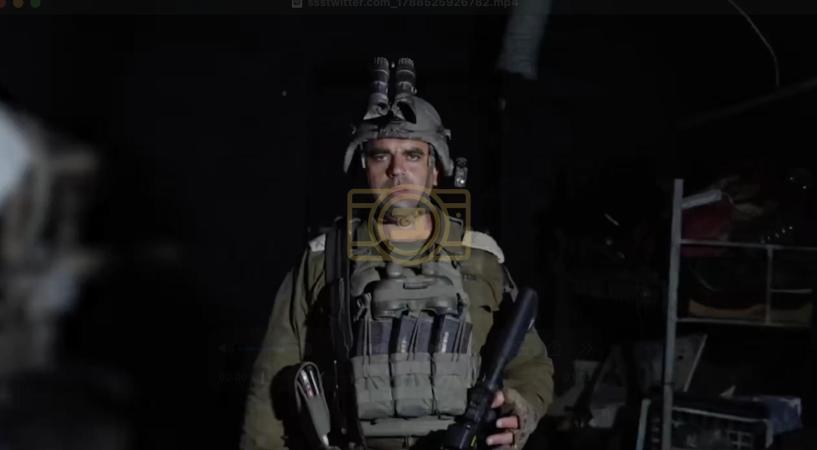
For weeks, Israeli troops fought a battle most of the world never saw, one waged not across open ground but deep beneath a ridge in southern Lebanon. The IDF announced that it had completed the clearance of two Hezbollah underground infrastructures on the Ali al-Taher ridge and that forces are now working to neutralize them. Forces from the 36th Division established operational control throughout the ridge area, both above and below ground, clearing the territory of militants. Some of those militants were killed in the fighting, while others managed to flee before the area was fully secured. The clearing phase is done, but the harder, slower work of dismantling what troops found underground is still ongoing.
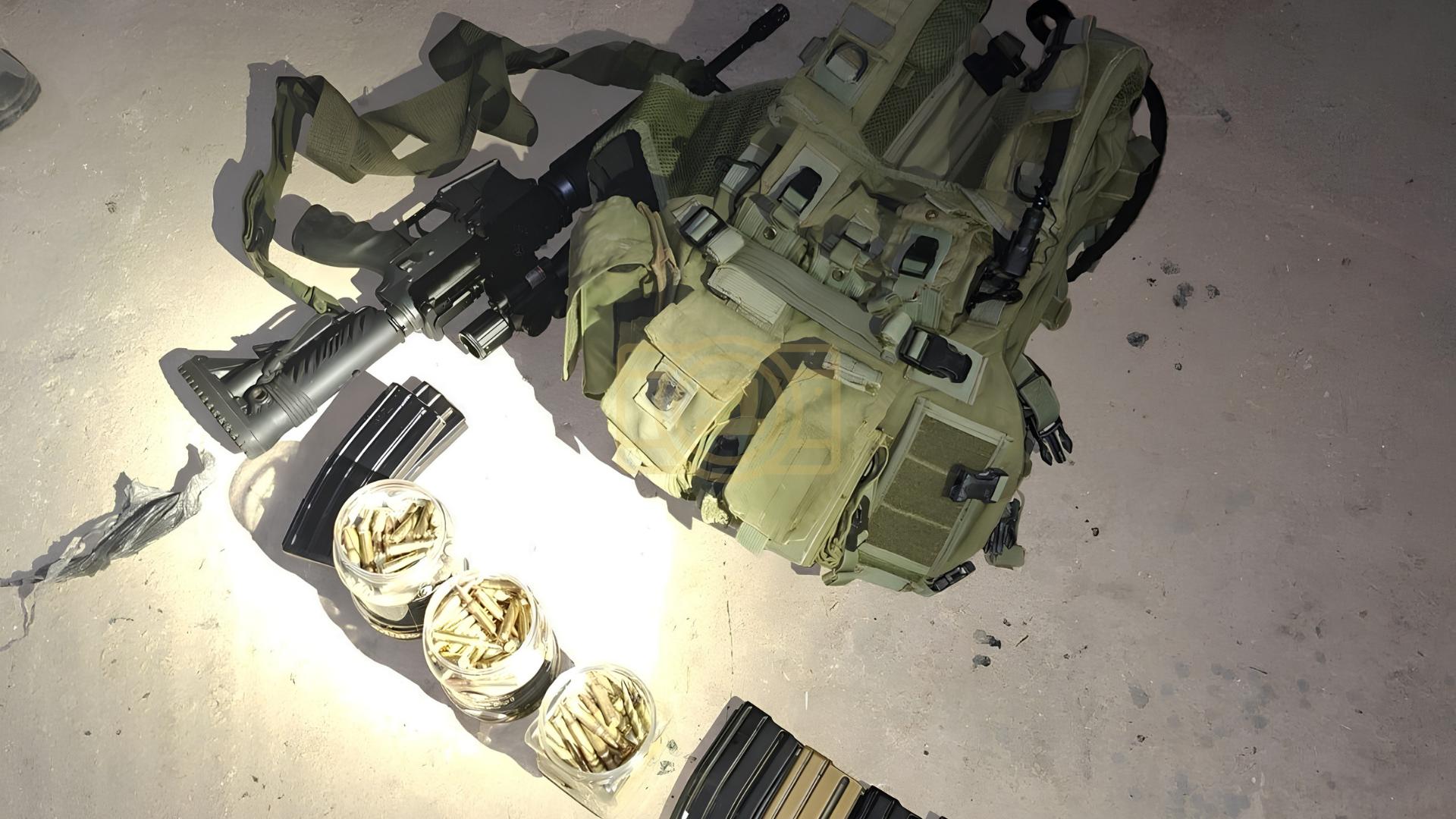
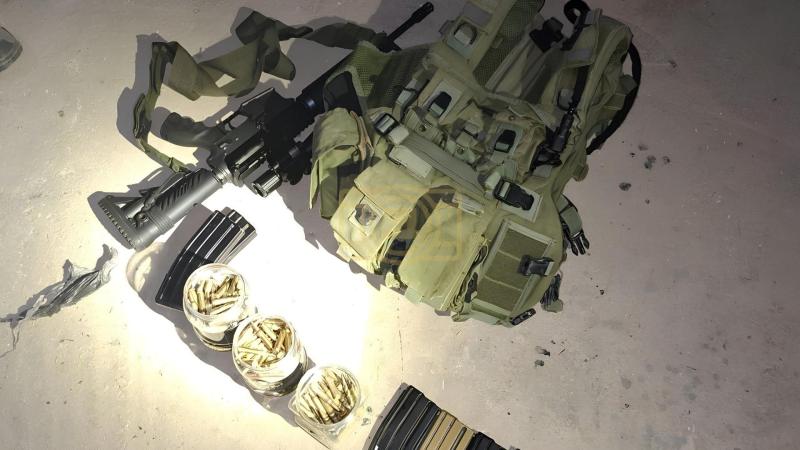
What soldiers discovered inside wasn't just a tunnel, but something closer to an underground city built for war. Inside the underground infrastructure, forces found command rooms, weapons storage rooms, generators, living quarters, showers, and a kitchen. The setup allowed Hezbollah operatives to remain underground for extended periods and conduct combat operations from there, essentially giving fighters a self-sufficient base hidden from view and largely immune to surface-level pressure. According to the military, operatives sheltered inside had used these tunnel routes to launch attacks against Israel and its forces, a capability that has now been shut down. It's the kind of infrastructure that doesn't get built overnight, and that's precisely the point Israeli officials are emphasizing.
That's because this wasn't some hastily dug hideout. The IDF says the infrastructure was built over a period of about two decades and was planned and funded by Iran, turning the ridge into what analysts have described as the nerve center of Hezbollah's regional military structure in the area. Local sources have identified the tunnel network as serving as the operational hub for Hezbollah's Badr regional division, a unit responsible for territory in southern Lebanon north of the Litani River. Reaching this outcome required a long and complicated operation, one involving careful mapping of hidden shafts, direct engagement with entrenched fighters, and the slow, dangerous work of locating tunnel systems buried beneath dense vegetation and rock. It stands as one of the most significant blows dealt to Hezbollah's underground network since the group first began investing in these fortifications.
Even with the ridge secured, Israeli officials are making clear this isn't the end of operations in southern Lebanon, nor a step away from existing agreements. The military said operations to secure the area continue, stating it will not allow Hezbollah to advance terror plans against its forces, and that any attempt by Hezbollah to act against IDF troops will be met with force, while stressing that the IDF remains committed to the ceasefire agreement in Lebanon. That combination, a promise of continued vigilance paired with a stated commitment to the ceasefire, reflects the delicate balance Israel is trying to strike in the region right now. For now, the message from the ridge is clear: one of Hezbollah's most heavily fortified strongholds has fallen, and its underground war room has gone silent.