U.S.-CHINA ALIGNMENT: Washington and Beijing Oppose Iranian Nuclear Weapons and Waterway Tolls
Gallery
Videos
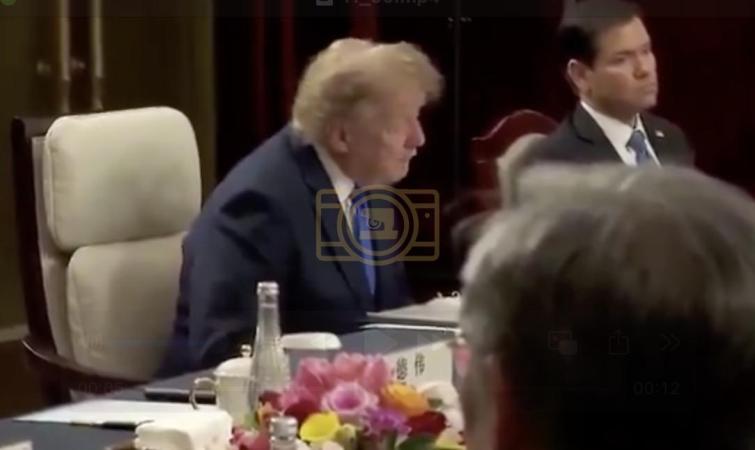
The United States and China have reportedly aligned on key security concerns involving Iran, including opposition to Tehran acquiring nuclear weapons and the imposition of tolls on international waterways. The understanding reflects shared interests between Washington and Beijing in preventing further instability around the Strait of Hormuz, a critical shipping corridor for global energy supplies. China, one of the world's largest importers of Middle Eastern energy, has a significant economic interest in keeping commercial shipping routes open and secure. However, available reports describe a broader diplomatic consensus rather than a confirmed new bilateral agreement specifically reopening the Strait of Hormuz. The distinction is important as the waterway remains central to negotiations surrounding the conflict between Washington and Tehran.
A separate U.S.-Iran memorandum announced in June included provisions for restoring commercial passage through the strait without tolls for an initial 60-day period, alongside commitments concerning Iran's nuclear program and further negotiations on sanctions and inspections. The agreement was intended to provide a framework for de-escalation while allowing additional time to negotiate a broader settlement. Meanwhile, U.S.-China discussions have underscored the importance of preventing Iran from developing nuclear weapons and maintaining freedom of navigation through international waterways. The two diplomatic tracks could influence the future of regional security, but they should not be confused with one another. Any claim that Washington and Beijing have now jointly secured a new Hormuz reopening agreement requires further confirmation from official statements or the text of a newly announced deal.