U.S. Warns Iran: Hormuz Seizure Will Not Be Accepted.
Gallery
Videos
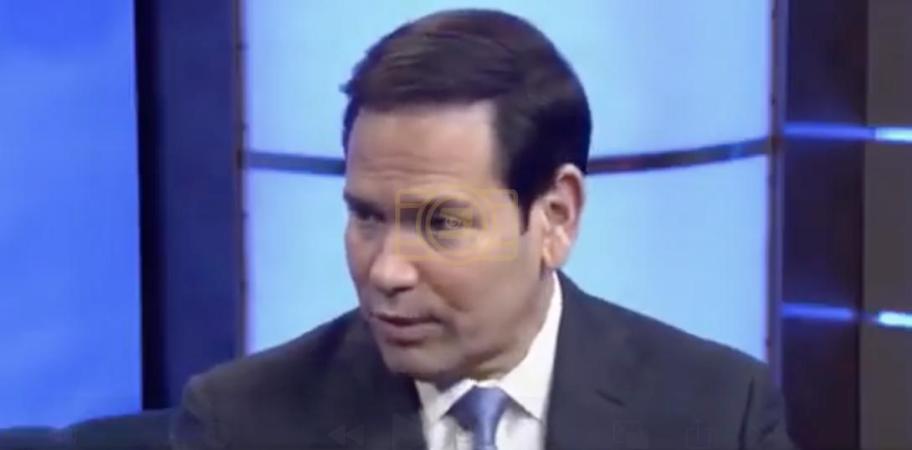
U.S. Secretary of State Marco Rubio issued a strong warning against Iran’s reported actions in the Strait of Hormuz, stating that any claim of sovereignty over the critical waterway would set a dangerous global precedent. Speaking in a March 30, 2026 interview, Rubio emphasized that international waterways cannot be unilaterally controlled by any single nation. He argued that such a move would undermine established maritime norms and threaten the stability of global trade routes. His remarks reflect growing concern within the administration over escalating tensions in the region.
The Strait of Hormuz remains one of the most strategically vital chokepoints in the world, with roughly 20 percent of global oil shipments passing through its narrow corridor. Iran’s reported blockade, carried out in response to recent military strikes, has already disrupted energy flows to major markets in Europe and Asia. This disruption has contributed to a sharp spike in global oil prices, intensifying economic pressure on importing nations. The situation highlights the interconnected nature of regional conflict and global economic stability.