Cuba Pledges “Blood" for Venezuela After U.S. Strikes.
Gallery
Videos
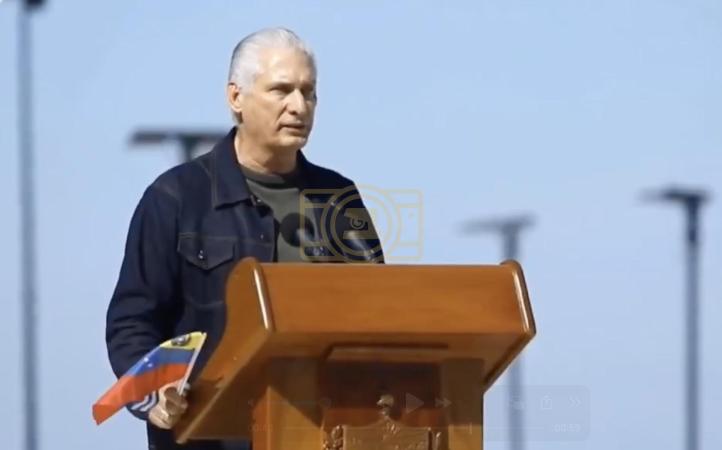
Cuban President Miguel Díaz-Canel delivered a defiant speech at a Havana rally on January 3, 2026, condemning recent U.S. military strikes on Venezuela that led to the capture of Nicolás Maduro. Speaking near the U.S. Embassy, Díaz-Canel framed the operation as imperialist aggression aimed at securing Venezuelan oil and directly challenging Cuba’s regional allies.
During his address, the president declared, “We are prepared to give blood for Venezuela,” emphasizing Cuba’s longstanding alliance with the Venezuelan government. The rhetoric reflects the historic political and economic ties between the two nations, including discounted oil supplies from Venezuela that have helped sustain Cuba through repeated crises.
The rally highlighted rising diplomatic tensions between Havana and Washington, signaling that Cuba intends to actively oppose perceived U.S. intervention in the region. Analysts note that the timing and location of the speech—close to the U.S. Embassy—were carefully chosen to maximize visibility and send a strong message about Cuba’s commitment to Venezuela.
Díaz-Canel’s comments underscore the broader geopolitical stakes of the U.S. operation, which was justified by Washington as a counter-narco-terrorism measure. For Cuba, the capture of Maduro represents not only a challenge to its ally but also a direct affront to the Monroe Doctrine’s legacy and Cuban foreign policy priorities in Latin America.
The Cuban government’s statement of readiness to support Venezuela, even at potential cost, marks a notable escalation in rhetoric and signals that regional diplomatic tensions are likely to remain high in the coming weeks.