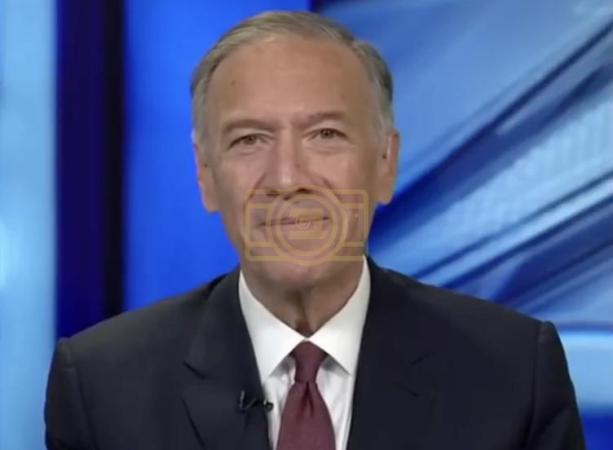
Pompeo Urges Strong U.S. Strategy on Iran Talks.
Gallery
Videos
Former Secretary of State Mike Pompeo outlined a firm U.S. approach toward Iran during a recent appearance on Fox News, emphasizing that ongoing peace talks must not come at the expense of strategic leverage. Speaking on Fox Report, Pompeo argued that the United States should avoid concessions that could embolden Tehran’s behavior, particularly amid heightened tensions in the region. His remarks come as negotiations have struggled to produce a lasting agreement following recent conflict escalation. The discussion reflects a broader debate within U.S. policy circles over how to balance diplomacy with pressure.
Pompeo’s comments also highlight a broader strategic objective: ensuring that Iran does not gain long-term leverage through control of critical infrastructure or negotiation dynamics. He framed the situation as one requiring strength and clarity, rather than incremental compromise. Supporters of this approach argue that sustained pressure is necessary to achieve meaningful concessions, particularly regarding Iran’s nuclear ambitions. Critics, however, warn that such a stance could heighten the risk of prolonged conflict.
Overall, the interview underscores the complexity of the current U.S.-Iran standoff, where diplomacy, military strategy, and economic considerations are deeply intertwined. Pompeo’s perspective reflects a policy view that prioritizes decisive action and strategic deterrence. As negotiations remain uncertain, the direction of U.S. policy will likely continue to shape the evolving security landscape in the Middle East.