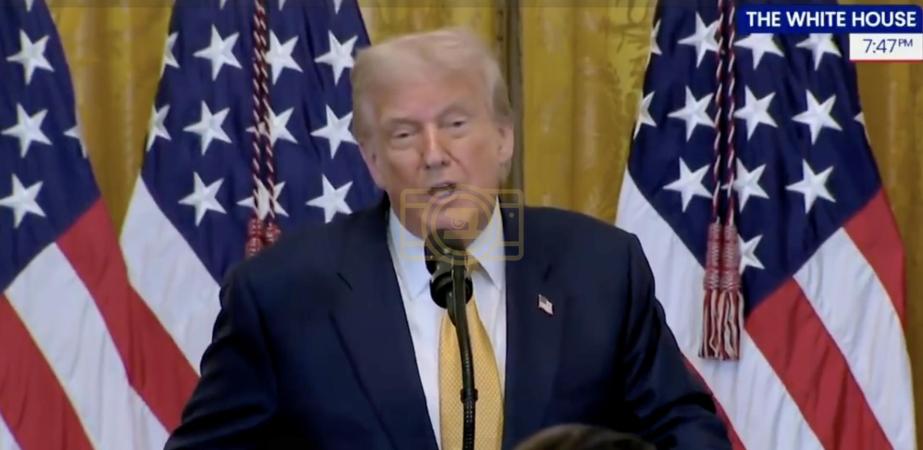
President Trump Signs Historic $550 Billion Trade Deal with Japan.
Gallery
Videos
WASHINGTON, D.C. — President Donald J. Trump announced today that he has signed what he called “maybe the largest deal in history”—a massive bilateral trade agreement with Japan aimed at boosting American industry and rebalancing global trade.
At the center of the deal is a major reduction in tariffs on Japanese auto imports, which will drop from 27.5% to 15%, easing tensions between two of the world’s largest economies. In return, Japan has committed to a staggering $550 billion investment into U.S. infrastructure, technology, and manufacturing partnerships.
“It’s a great deal for everybody,” President Trump said during the signing ceremony. “This trade deal is about restoring fairness, protecting American workers, and bringing investment back to U.S. soil.”
This landmark agreement represents a significant shift in U.S. trade policy. For decades, Washington has championed free trade as a pillar of global economic stability. However, under Trump’s leadership, the United States has pivoted toward protectionist trade measures, aimed at revitalizing domestic industries and safeguarding American jobs.
A 2023 study by the National Bureau of Economic Research supports this strategy, showing that targeted tariff increases can boost local employment by up to 1.4% in key sectors such as auto manufacturing and steel production.
Economists are calling the deal a defining moment in U.S.–Japan relations, and a bold play to rebuild America’s manufacturing base. Supporters say it proves Trump’s "America First" strategy can yield massive results through hard-nosed negotiations and economic leverage.
While critics question the long-term implications for global trade norms, there is little doubt that today’s agreement is a major political and economic victory for the Trump administration.