Trump Says Iran Military and Missile Capacity Destroyed.
Gallery
Videos
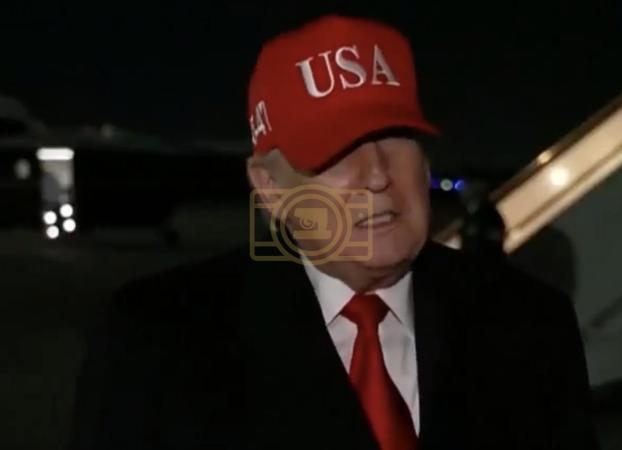
U.S. President Donald Trump delivered pointed remarks on the prospect of renewed negotiations with Iran, stating that he is indifferent to whether Tehran returns to the table. He characterized the situation as strategically favorable, saying he would be “fine” either way if talks do not resume. The comments reflect a posture of confidence in current U.S. leverage and deterrence in the region. Trump framed the moment as one defined by strength rather than diplomatic urgency.
In his statement, Trump claimed that Iran’s military capabilities have been significantly weakened, including its missile inventory and production infrastructure. He suggested that prior U.S. actions had severely degraded Tehran’s ability to manufacture drones and advanced weaponry. The remarks emphasized what he described as a sustained campaign of pressure and targeted strikes. According to his framing, these developments have shifted the strategic balance away from Iran.
Trump also referenced what he described as restrained U.S. military conduct, noting that broader infrastructure damage was avoided. He pointed to the limited targeting of bridges as a corrective response after Iran allegedly failed to honor commitments related to reopening the Strait of Hormuz. The comments underscored a narrative of calibrated escalation, where force is used selectively in response to perceived violations. This approach was presented as both disciplined and consequential.
The President’s remarks follow claims of a ceasefire concluding what he referred to as Operation “Epic Fury,” a prolonged campaign described as lasting 38 days with extensive strikes on Iranian military assets. According to his account, the operation significantly degraded conventional forces and defense manufacturing capacity. While these figures and outcomes are part of his statement, independent verification has not been established in the available context. The narrative nonetheless signals a continued emphasis on maximum pressure strategy.
Overall, Trump’s comments reinforce a hardline stance toward Iran, combining deterrence messaging with skepticism toward diplomatic engagement. Supporters of this approach argue it strengthens U.S. negotiating leverage by signaling decisive capability and willingness to act. Critics, however, caution that such rhetoric risks further escalation and reduces space for diplomatic de-escalation. The remarks highlight the ongoing tension between coercive strategy and negotiation in U.S.–Iran relations.