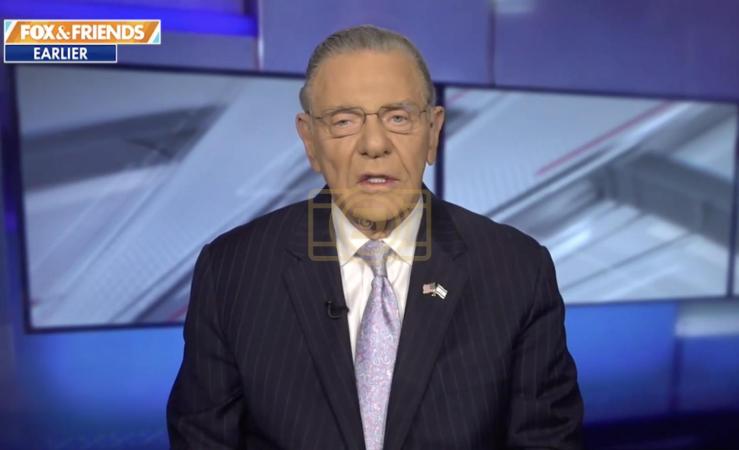
Retired Gen. Keane Exposes Tehran's Threat Strategy Over Strait of Hormuz.

Gallery
Videos
Keane Blasts Iran’s Fear Campaign to Seize Control of Vital Oil Strait
Retired General Jack Keane has laid out a clear picture of how Tehran is trying to keep its grip on one of the world’s most important waterways. According to Keane, Iran is deliberately spreading fear and uncertainty to project power over the Strait of Hormuz, the narrow passage that carries a huge share of global oil. He stresses that while Iran does not fully control the strait, it can still disrupt shipping through threats, attacks, and official directives that force vessels to turn back. These tactics have already shown results in recent incidents involving ship turn-backs and strikes, all unfolding against a backdrop of fragile ceasefires and active U.S. naval responses in 2026.
Keane points out that Iran claims oversight of the strait even as American forces conduct strikes and enforce blockades in the region. The goal, he explains, is to maintain influence by keeping commercial traffic and regional players off balance. Economic pressure and broader security concerns are fueling the tension, giving Tehran an opening to push its narrative of control. By creating doubt about safe passage, Iran hopes to raise costs, delay shipments, and remind the world of its ability to cause serious disruption without needing total military dominance.
The retired general’s analysis underscores a high-stakes contest where U.S. naval power is directly challenging Iran’s strategy. American actions are aimed at protecting freedom of navigation and countering the uncertainty Tehran works so hard to generate. As these developments continue, Keane’s assessment serves as a sharp reminder that the Strait of Hormuz remains a flashpoint where threats and resolve collide, with major consequences for global energy markets and regional stability.