U.S. Air Force Airlifts First Deployable Microreactor Modules.
Gallery
Videos
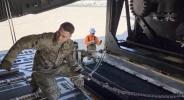
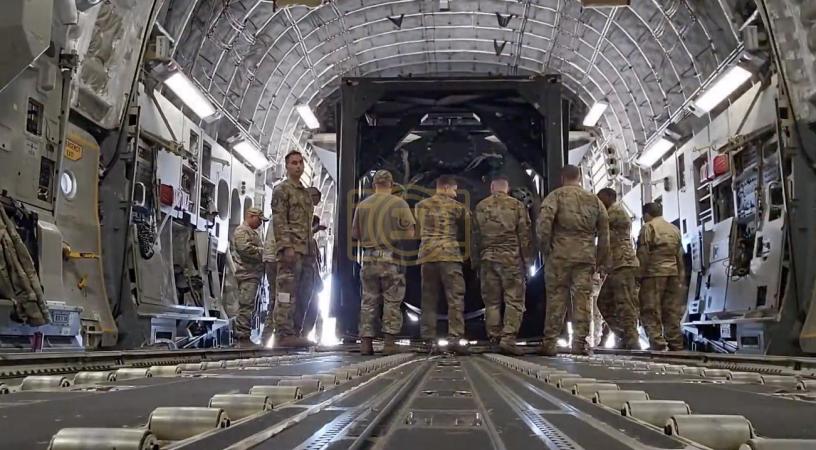
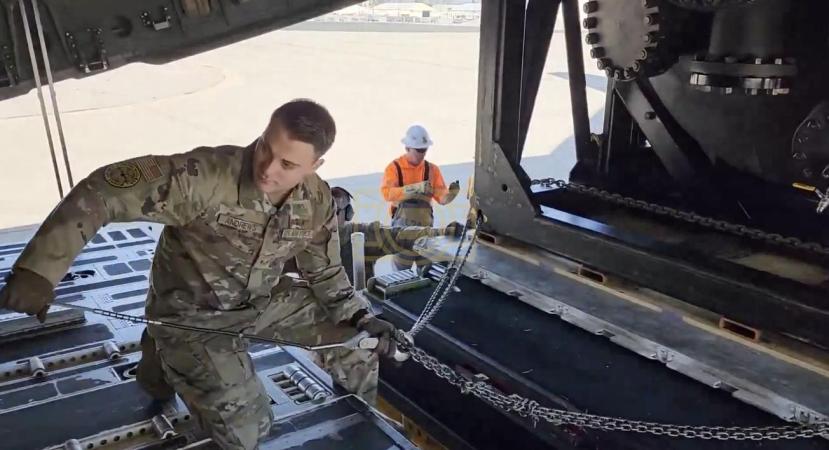
The U.S. Air Force has completed the first-ever airlift of a deployable nuclear microreactor, transporting an unfueled Ward250 unit developed by Valar Atomics aboard a C-17 Globemaster III from March Air Reserve Base, California, to Hill Air Force Base, Utah. Conducted on February 15, 2026, by the 452nd Logistics Readiness Squadron, the mission represents a milestone in military energy innovation and forms part of Operation Windlord under the broader Project Pele initiative.
The Ward250 is a next-generation, helium-cooled, graphite-moderated microreactor designed to generate approximately five megawatts of electricity, sufficient to power remote installations without reliance on traditional fuel supply chains. Each module weighs roughly 25 tons and is engineered for rapid deployment, enabling grid-independent energy production in contested or austere environments. By reducing dependence on diesel fuel convoys—historically vulnerable to disruption—the system aims to enhance operational resilience and logistical efficiency for forward-deployed forces.
The successful airlift demonstrates the feasibility of transporting modular nuclear energy systems via strategic airlift, a critical requirement for expeditionary operations. Testing is scheduled to begin in July 2026 at the San Rafael facility in Utah, where the reactor’s performance, safety protocols, and deployment procedures will be evaluated under controlled conditions. Because the transported unit was unfueled, the operation posed no radiological risk, aligning with strict safety and regulatory standards governing nuclear materials.
Project Pele reflects a broader Department of Defense effort to modernize energy infrastructure and ensure reliable power generation in environments where conventional grids are unavailable or vulnerable. Portable microreactors offer the potential to support communications, surveillance, air defense, and other mission-critical systems while minimizing the logistical footprint associated with fuel transport.
The historic airlift underscores the Air Force’s role in integrating advanced energy technologies into military operations and highlights the growing importance of resilient power solutions in an era of strategic competition. As testing progresses, the Ward250 microreactor could become a cornerstone capability for sustaining operations in remote theaters, providing a secure and continuous energy source for U.S. forces worldwide.