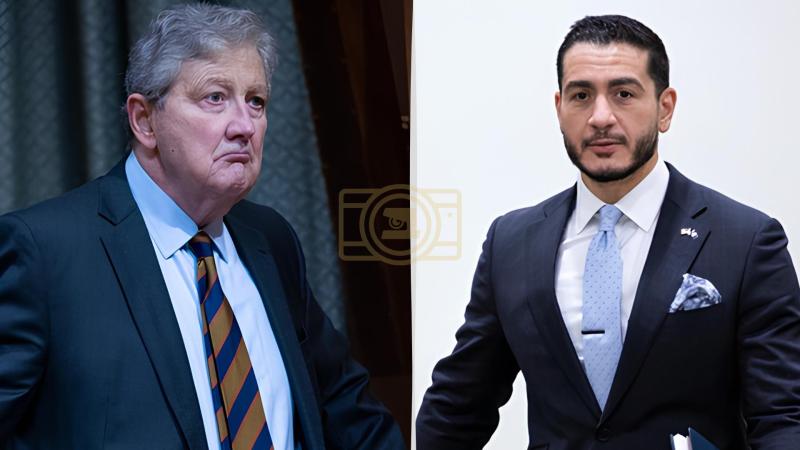
😂 KENNEDY REFUSES TO BACK DOWN WITH FRUIT BASKET: Senator Defends Free Speech After El-Sayed's Sharp Insult

Gallery
Videos
Republican Senator John Kennedy is responding to an apparent Ku Klux Klan reference from incoming Michigan Senator Abdul El-Sayed with the kind of humor that has become his political trademark. The dispute erupted after Kennedy criticized El-Sayed's support for Medicare for All during a November 22 appearance on NBC's Meet the Press, arguing that the proposed government-run healthcare system would be financially unrealistic. Kennedy dismissed the plan's promises, saying supporters who believe a federal takeover would make healthcare cheaper were "too dumb to live." El-Sayed subsequently fired back on social media, suggesting that Kennedy's name should be spelled with three K's, an apparent reference to the Ku Klux Klan, while attacking the Louisiana Republican's healthcare arguments. Rather than escalating the personal exchange, Kennedy responded with a joke about sending El-Sayed a fruit basket to cheer him up during an appearance on Fox News' The Will Cain Show. He also made clear that he intends to work with the incoming Democratic senator despite their political differences.
Kennedy's response went beyond the fruit basket joke, as he defended free speech and dismissed the idea that political insults would keep him awake at night. "I believe in free speech. How else would we know who the idiots are?" he said, adding that he tries not to worry about what people think of him, with one humorous exception: dogs. In another memorable line, Kennedy joked about how comfortably he handles criticism, saying, "People ask me all the time, how do you sleep at night when people say something bad about you? I tell them with the fan on." He also reiterated that he does not hate El-Sayed and wants to find opportunities to work with him in the Senate. The exchange highlights the sharp ideological divide between the two lawmakers, particularly over the future of American healthcare and the role of the federal government. Despite the pointed personal attacks, Kennedy's message was that political disagreements should not prevent lawmakers from doing their jobs or engaging in bipartisan discussions.