Iran Showcases U.S. Carrier Without Context 🤷🏻♂️?
Gallery
Videos
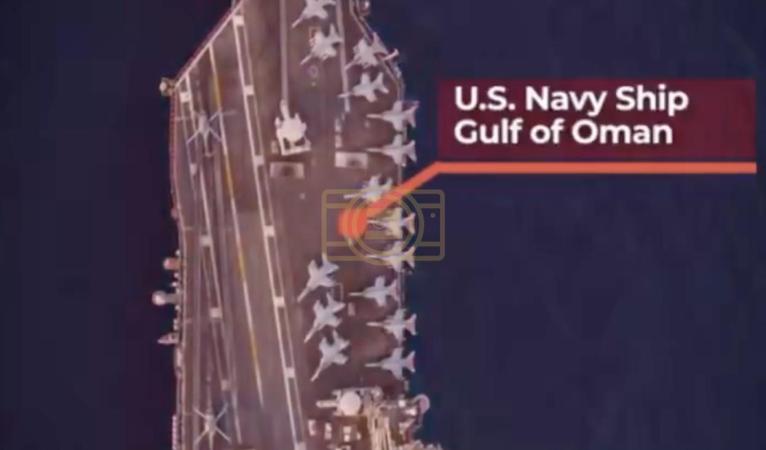
Media outlets affiliated with Iran’s Islamic Revolutionary Guard Corps (IRGC) have released infrared surveillance footage of the U.S. aircraft carrier USS Abraham Lincoln transiting the Gulf of Oman, presenting multiple angles of the vessel accompanied by on-screen labels but no explanatory narration. Observers interpret the publication as a deliberate signaling move amid escalating tensions between Washington and Tehran, rather than a routine maritime observation.
The footage appears to have been captured using long-range electro-optical and infrared tracking systems, demonstrating Iran’s continued focus on monitoring U.S. naval movements in the region. While such surveillance is not unprecedented, the decision to publicize the imagery without context is widely viewed as an attempt to project capability and psychological pressure. The timing is notable, coming shortly after a reported incident in which U.S. forces downed an Iranian drone that approached the carrier in the Arabian Sea.
In recent weeks, Iranian state-linked channels have also circulated AI-generated content depicting the hypothetical destruction of the USS Abraham Lincoln, further contributing to a pattern of rhetorical escalation. Together, these media outputs form part of a broader information campaign that blends real surveillance with symbolic messaging intended for both domestic and international audiences.
From a military standpoint, the public release of tracking footage does not alter the operational posture of U.S. naval forces, which maintain layered air and missile defenses as well as counter-drone capabilities around carrier strike groups. However, such messaging can increase regional tension by reinforcing narratives of confrontation and by signaling Iran’s intent to challenge U.S. presence in strategic waterways.
The Gulf of Oman and surrounding maritime corridors remain critical to global energy transit and naval mobility, making information operations targeting high-value assets particularly sensitive. Analysts note that while the footage itself reflects surveillance rather than direct action, its dissemination contributes to an atmosphere of heightened alert, especially as both sides continue to calibrate deterrence and response thresholds.
This episode illustrates how visual media has become an extension of strategic competition, with states leveraging imagery to shape perceptions, demonstrate reach, and test adversary reactions without crossing into open conflict. As diplomatic channels remain strained, such signaling measures are likely to persist alongside conventional military posturing in the region.