LIGHTS OUT, BASES ON: Pentagon Prepares Installations For 90 Days Without Outside Power

Gallery
Videos
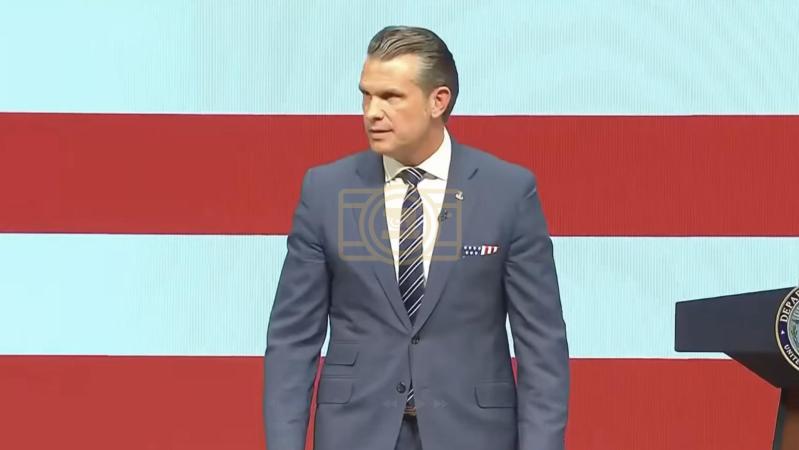
The Pentagon is preparing major U.S. military bases in the continental United States to operate on their own for at least 90 days if war or disaster knocks out civilian power, water, fuel and communications. The plan is called FORTRESS, and Defense Secretary Pete Hegseth launched it on September 30 in a memorandum and a speech at Marine Corps Base Quantico. It drew wider attention when Fox News reported on internal documents describing the 90-day requirement. Hegseth has said every major installation is going to generate its own power, and the options include portable nuclear microreactors, large battery storage and local microgrids. Some of this is already moving, with the Army planning more than 20 nuclear microreactors under its Janus program and aiming for its first reactor to be running by September 2028.
The reason behind the push is a long-standing weak spot, since a 2021 Commerce Department finding cited in reports says domestic bases draw about 99 percent of their electricity from the civilian grid. A cyberattack, sabotage or a long outage could therefore cripple a base's communications, logistics and command systems in the middle of a crisis. FORTRESS also calls for at least two qualified supply or production routes for the most critical defense needs, so losing one factory or supplier does not halt operations. There are important caveats, though, because the 90-day standard is a reported requirement rather than proof that any base meets it today. Each base's plan will differ, it could take years to finish, and the Pentagon has not released a final cost or completion date. Experts also disagree over whether putting nuclear reactors on bases truly adds resilience or mainly adds cost and risk.