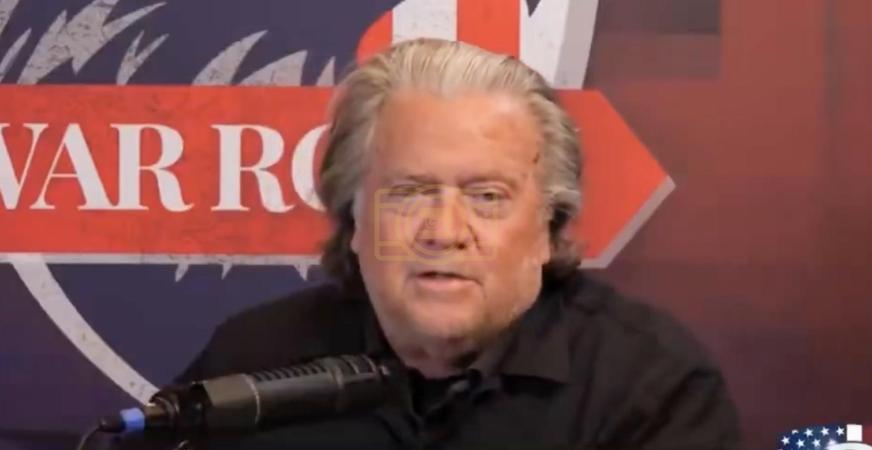
Steve Bannon Says U.S. Must Focus on Domestic Unrest, Not Iran.

Gallery
Videos
Controversial political strategist Steve Bannon has reignited debate over American foreign and domestic priorities, arguing that the United States should focus first on internal unrest rather than on potential military confrontation with Iran. In a video statement shared online, Bannon said, “The problem in Tehran is not our problem. The problem in Minneapolis is our problem,” asserting that Washington has its attention misaligned and should fix domestic issues before engaging abroad.
Bannon’s remarks were situated amid widespread tensions in Minneapolis following a federal immigration enforcement surge that has led to multiple fatal shootings by federal agents and sustained protests. In January 2026, federal officers, including Immigration and Customs Enforcement (ICE) and Border Patrol, were involved in the fatal shooting of 37‑year‑old ICU nurse Alex Pretti during an operation in the city, sparking protests and community outrage. Authorities are also moving some federal agents out of the area amid local and state criticism.
The city has seen heightened activism and protest activity following these incidents. One episode at a town hall in Minneapolis drew additional attention when U.S. Representative Ilhan Omar was sprayed with an unknown substance by an assailant during her remarks—an occurrence that underscored the volatile atmosphere surrounding immigration enforcement debates.
Bannon leveled sharp criticism at calls from some leaders and foreign governments urging military pressure on Iran. He described discussions of attacking Tehran as “about as insane as you can possibly get” given the domestic unrest in Minneapolis and the broader questions about federal priorities. He also accused other political actors of pursuing an “Israel First” agenda at the expense of addressing pressing problems at home.
Supporters of Bannon’s stance argue that prioritizing stability and accountability within U.S. cities—especially in the wake of controversial federal enforcement actions—is vital to maintaining public trust and national coherence. Critics, however, counter that national security remains a legitimate priority on the world stage and that conflating domestic unrest with foreign policy risks oversimplifying two distinct spheres of governance.
As the Minneapolis situation continues to draw national attention, debates over the proper balance between domestic policy and international engagement are likely to remain central in discussions about U.S. leadership and strategic focus in the months ahead.