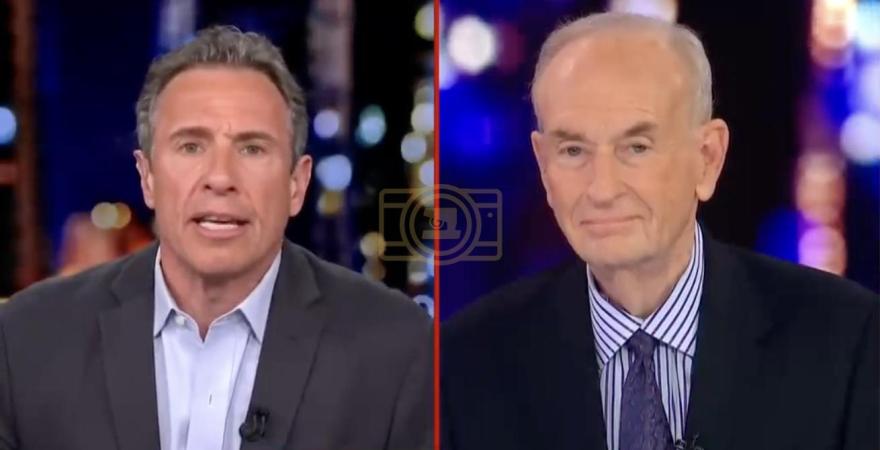
O'Reilly and Cuomo Clash Over Iran Nuclear Threat.

Gallery
Videos
A heated exchange between political commentator Bill O’Reilly and journalist Chris Cuomo has highlighted ongoing divisions over Iran’s nuclear capabilities, as a fragile ceasefire takes shape between the United States and Iran. The discussion centered on the extent of Iran’s stockpile of partially enriched uranium and whether current intelligence supports claims of weapons development. Both figures presented sharply contrasting interpretations of the available evidence. The disagreement reflects broader uncertainty in public discourse surrounding Iran’s nuclear program.
Cuomo argued that while certain materials and capabilities are known to exist, the precise scale of Iran’s enrichment activity remains unclear. He emphasized the limits of publicly available information, suggesting that definitive conclusions are difficult without full access to classified assessments. His position highlighted the broader challenge of verifying sensitive nuclear data in a rapidly evolving geopolitical environment. This cautionary stance underscored concerns about overreaching conclusions in the absence of complete intelligence.
O’Reilly countered by asserting that sufficient evidence exists to indicate Iran’s pursuit of nuclear weapons capability. He pointed to patterns of enrichment activity and historical concerns raised by intelligence and defense officials. His remarks framed the issue as one of intent rather than ambiguity, suggesting that Iran’s actions align with weaponization objectives. This perspective aligns with more hawkish assessments of Iran’s nuclear trajectory.
The exchange comes at a sensitive moment, as diplomatic efforts attempt to stabilize relations following recent escalations. Discussions over Iran’s nuclear program remain a central obstacle in negotiations, particularly regarding verification and enforcement mechanisms. Analysts note that differing interpretations of intelligence data continue to shape policy debates in Washington and beyond. The ceasefire context adds urgency to resolving these disputes.
As public debate continues, the clash between O’Reilly and Cuomo illustrates the broader tension between caution and certainty in assessing nuclear threats. With stakes involving regional stability and global security, interpretations of Iran’s capabilities remain deeply contested. The discussion underscores how media and political figures influence public understanding of complex intelligence issues.