PAKISTAN'S SMOG CRISIS HITS WILDLIFE: Lions, Giraffes and Other Zoo Animals Face Respiratory Risks
Gallery
Videos
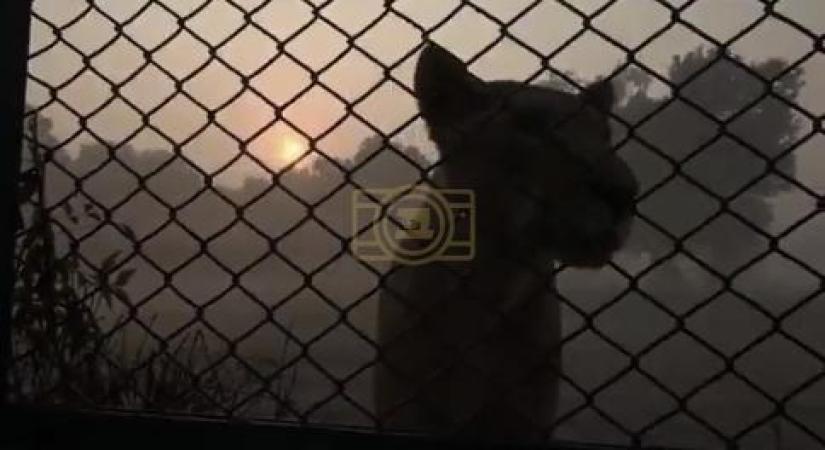
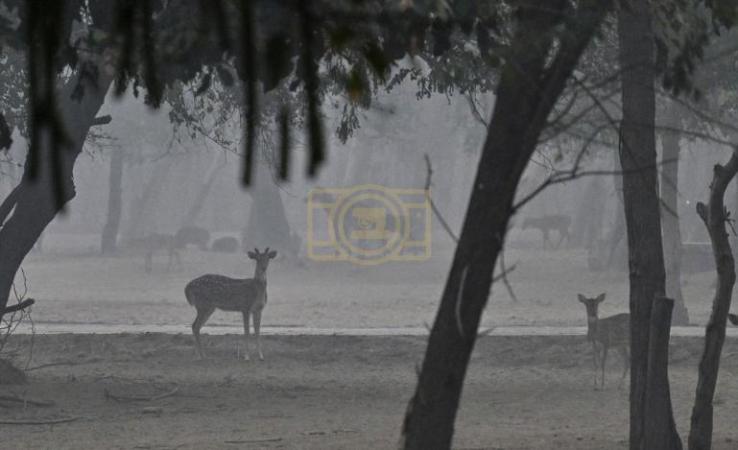
Dense winter smog is creating growing health concerns for wildlife at zoos and safari parks in Lahore, Pakistan, as dangerous air pollution continues to blanket the region. From lions and giraffes to antelopes and ostriches, captive animals are exposed to polluted air that can threaten their respiratory systems and overall health. Lahore Zoo Senior Veterinary Officer Dr. Muhammad Azhar has warned that fine particulate matter, particularly PM2.5, can penetrate deep into animals' lungs and contribute to respiratory illnesses. Ozone and other toxic gases can also inflame their airways, while prolonged exposure may affect their natural lifespan and reproductive health. Veterinary teams are maintaining closer supervision and providing routine preventive care, including vaccinations and seasonal treatment measures, to help protect the animals during the smog season. Images from Lahore Safari Park show animals remaining inside their enclosures as thick haze reduces visibility across the facility.
The problem extends beyond zoo enclosures, with experts warning that air pollution is also threatening birds and other wildlife across Lahore's urban environment. Officials from Lahore Zoo say captive animals receive seasonal diets, regular vaccinations and temperature-appropriate care to help maintain their health during periods of poor air quality. The University of Veterinary and Animal Sciences has also reported an increase in animals brought in for treatment during the smog season. However, officials have not confirmed an outbreak of a specific respiratory disease among the zoo's animals, making it important to distinguish preventive veterinary measures from confirmed cases of illness. Experts warn that prolonged exposure to polluted air can have lasting consequences for wildlife, particularly animals that cannot freely move away from contaminated environments. The situation highlights the need for stronger pollution controls and continued veterinary monitoring to protect animals as Lahore enters another difficult winter smog season.