NEW: Iran Unveils Underground Drone Arsenal in Propaganda Video.
Gallery
Videos
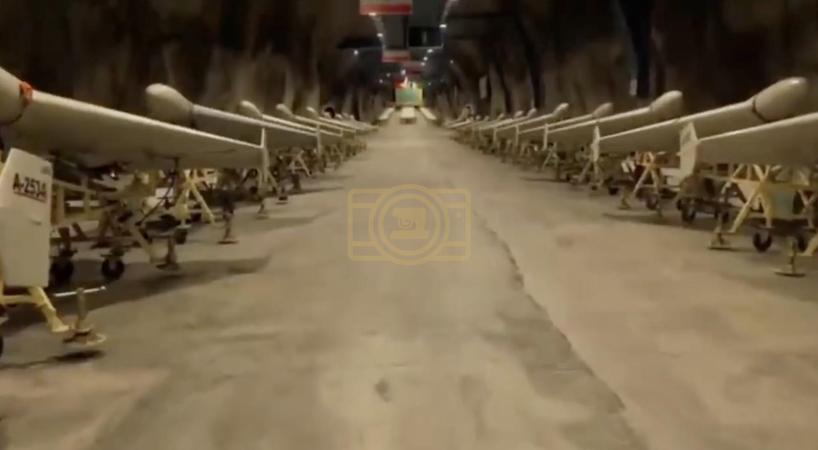
Iranian state media has released a highly choreographed video claiming to show a vast underground stockpile of attack drones, a move widely interpreted as both propaganda and strategic signaling amid escalating tensions with the United States and Israel.
The footage, distributed by Fars News Agency—an outlet closely linked to Iran’s Islamic Revolutionary Guard Corps (IRGC)—depicts long rows of unmanned aerial vehicles stored inside reinforced underground tunnels. The drones, identified by defense analysts as resembling Shahed-series loitering munitions, are shown mounted on mobile launch platforms, positioned for rapid deployment.
The video’s staging appears deliberate. Tunnel walls are lined with Iranian flags, and prominently displayed are images of Ali Khamenei, reinforcing the regime’s narrative of ideological continuity and defiance. The visual messaging is unmistakable: Iran seeks to project strength, resilience, and readiness despite mounting external pressure.
Defense observers note that underground storage facilities serve both practical and symbolic purposes. Militarily, hardened bunkers complicate preemptive strike calculations by adversaries, increasing survivability of drone fleets. Strategically, broadcasting such facilities aims to deter U.S. and Israeli planners by signaling that significant strike capabilities remain concealed and protected.
The timing of the release is particularly significant. As U.S. and Israeli forces intensify operations targeting Iranian-linked assets across the region, Tehran appears intent on demonstrating that its asymmetric warfare infrastructure remains intact. The Shahed-class drones highlighted in the footage have been used extensively in regional proxy conflicts and have become a central component of Iran’s deterrence doctrine.
Critics argue that the video is designed as psychological warfare, amplifying perceived strength while withholding verifiable details about operational readiness. Propaganda releases of this nature are common in periods of heightened tension, especially when regimes seek to reassure domestic audiences and intimidate foreign adversaries simultaneously.
At a broader level, the drone reveal underscores the evolving nature of Middle Eastern security dynamics. Low-cost, high-impact unmanned systems have altered the strategic balance, allowing Iran to exert influence beyond its borders without engaging in direct conventional warfare. The public display of these assets serves as a reminder that Tehran continues to prioritize drone and missile capabilities as central pillars of its military posture.
Whether the underground stockpile represents a fully operational rapid-strike force or a carefully curated media production remains subject to independent verification. What is clear, however, is that Iran intends the message to resonate: despite sanctions, strikes, and diplomatic isolation, it claims to retain both the means and the will to escalate if challenged.
As regional tensions persist, such displays are likely to intensify rhetorical and military signaling on all sides, further complicating already fragile efforts to prevent broader confrontation.