"UNTIL AMERICA REGRETS": Iran Vows Retaliation Won't Stop
Gallery
Videos
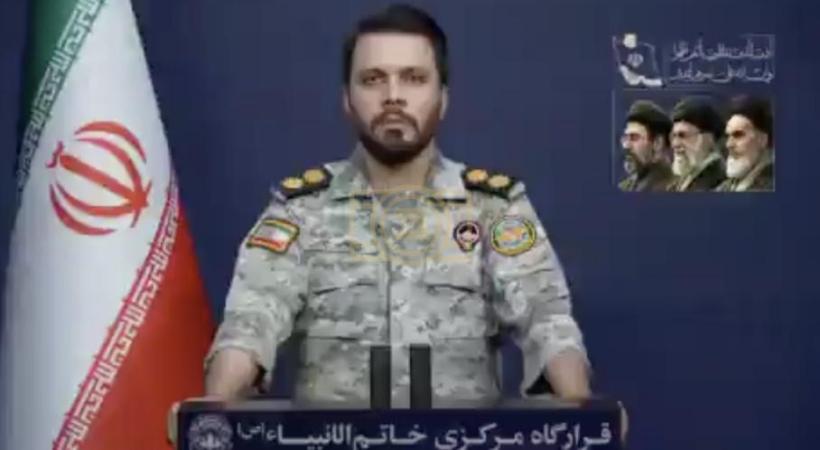
Iran's Khatam al-Anbiya Central Headquarters, the operational command overseeing the Islamic Revolutionary Guard Corps' military response, issued a defiant statement declaring that U.S. forces had carried out airstrikes on both military and civilian sites across southern Iran, resulting in casualties that Tehran says justify a forceful response. According to the command, Iranian forces retaliated by launching missile and drone strikes against American military bases throughout the region, claiming the attacks caused heavy damage and inflicted significant casualties among U.S. personnel. The statement did not offer independent verification of the claimed American losses, and U.S. officials have not confirmed casualty figures on their end, a pattern that has repeated throughout this conflict as both sides make competing claims about the effectiveness of their strikes. What is clear is that the exchange represents yet another sharp escalation in a war that has now dragged on for months with no resolution in sight.
The rhetoric coming out of Khatam al-Anbiya was notably uncompromising. The command stated plainly that Iran's attacks will continue until the United States "regrets" its actions, language that echoes previous Iranian military statements promising "devastating and more wide-ranging strikes" should Washington continue its campaign. Beyond targeting American forces directly, the headquarters issued a pointed warning to any country found cooperating with U.S. military operations in the region, cautioning that such cooperation would bring "dangerous consequences." That warning appears aimed squarely at Gulf states hosting American bases and assets, a signal that Tehran views regional cooperation with Washington as a legitimate target for retaliation, not just American forces themselves.
This latest exchange fits into a broader pattern that has defined much of the conflict since fighting reignited earlier this year. Previous rounds of the same cycle, U.S. strikes on Iranian targets followed swiftly by Iranian retaliation against American bases in Jordan, Bahrain, and elsewhere in the Gulf, have played out repeatedly, with both sides claiming battlefield successes that are difficult to independently confirm. Iran's Revolutionary Guard has previously claimed responsibility for striking U.S. installations including Camp Titin in Jordan and Sheikh Isa Air Base in Bahrain, reporting damage to facilities and aircraft in those attacks. Each round of strikes appears to deepen the underlying standoff rather than resolve it, with neither side showing clear signs of backing down from the confrontation.
The consequences of this ongoing exchange extend well beyond the two primary combatants. Regional shipping through the Strait of Hormuz has been repeatedly disrupted amid the fighting, and multiple Gulf nations have found themselves inadvertently drawn into the crossfire, either through direct strikes on their territory or through the broader economic disruption caused by the conflict. Khatam al-Anbiya's explicit warning to countries cooperating with the U.S. suggests Tehran may be preparing to widen its list of targets if regional partners continue hosting American military operations. With both Washington and Tehran locked into a cycle of strike and counterstrike, and each side publicly committed to continuing until the other backs down, there is little indication that this latest chapter of the conflict will be the last.