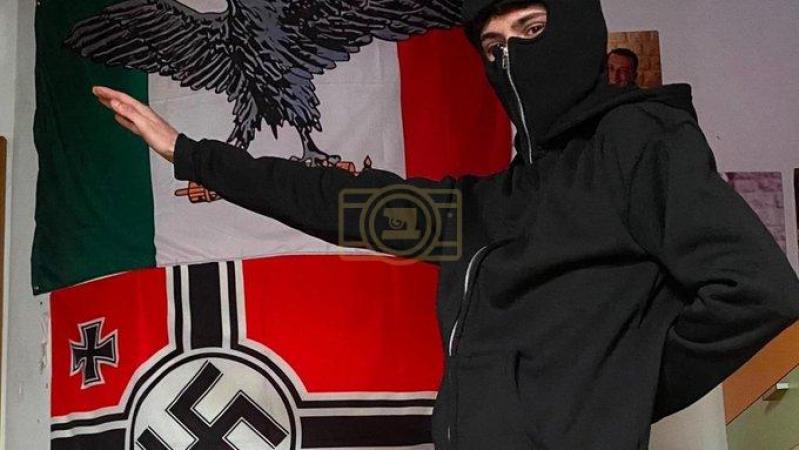
TERROR PLOT: Italian Police Arrest 22-Year-Old Suspected Neo-Nazi Over Alleged Milan Synagogue, Mosque Attack Plans
Gallery
Italian authorities have arrested a 22-year-old suspected neo-Nazi extremist accused of preparing terrorist attacks against Jewish and Muslim places of worship in the Milan area. The suspect, identified as Alessandro Gabriel Glorioso from San Giuliano Milanese, allegedly planned attacks involving explosives and firearms against a synagogue on Via Guastalla in Milan and an Islamic prayer center in San Donato Milanese. Investigators from the Carabinieri's Special Operations Group (ROS) reportedly uncovered extremist propaganda, Holocaust-denial material and writings expressing violent supremacist ideology on his electronic devices. Authorities also discovered evidence of preparations involving modified airsoft weapons and ANFO explosives, raising concerns about the potential scale of the alleged attacks. According to investigators, the suspect intended to operate alone and had been radicalized online through extremist material associated with mass killers Anders Breivik and Brenton Tarrant.
The investigation reportedly accelerated in August after a friend alerted authorities upon discovering Nazi-related items and hearing the suspect discuss plans to kill Jews and Muslims in the name of supposedly liberating Italy. Investigators also uncovered a 12-page manifesto containing antisemitic, anti-Muslim and white supremacist rhetoric, including references to an alleged Islamic invasion and the supposed destruction of the white race. Particularly alarming was the reported declaration that he intended to take responsibility for a mass murder. Authorities are examining whether the planned attacks were connected to the approaching Chanukah holiday, when Jewish communities could face heightened security concerns. The arrest prevented the alleged preparations from progressing further, although the full scope of the suspect's intentions and the evidence against him remain subject to judicial proceedings. The case has renewed attention on the threat posed by online radicalization and lone-actor extremism targeting religious communities.