UN MASKED: UN Spends $100 Million on Israel-Focused Bodies While Ignoring Global Crises.
Gallery
Videos
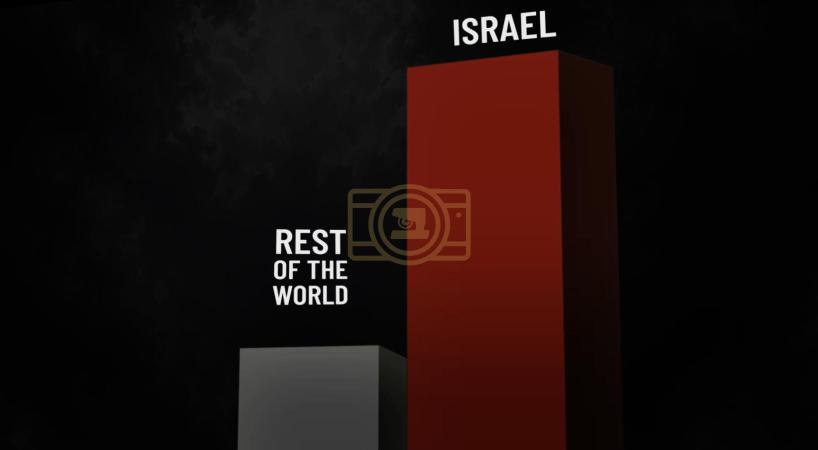
The United Nations has come under sharp criticism for what detractors describe as an institutionalized fixation on Israel that far exceeds its attention to any other country. According to the latest critique, the organization has passed more than 200 resolutions condemning Israel, a total greater than the combined number directed at the rest of the world. This disparity is presented as clear evidence of double standards that have become embedded in the UN’s daily operations. Critics argue the pattern shows an institution drifting away from the impartial principles it was created to uphold.
Significant financial resources have also been devoted to Israel-specific bodies and committees. Reports cited in the criticism state that more than $100 million has been spent on these structures. The funding supports a range of mechanisms focused exclusively on the Israeli-Palestinian conflict and related issues. Opponents of the approach contend that the same level of institutional energy and money is rarely matched when addressing conflicts or human rights situations elsewhere. The concentration of both resolutions and budgets is described as disproportionate by any global measure.
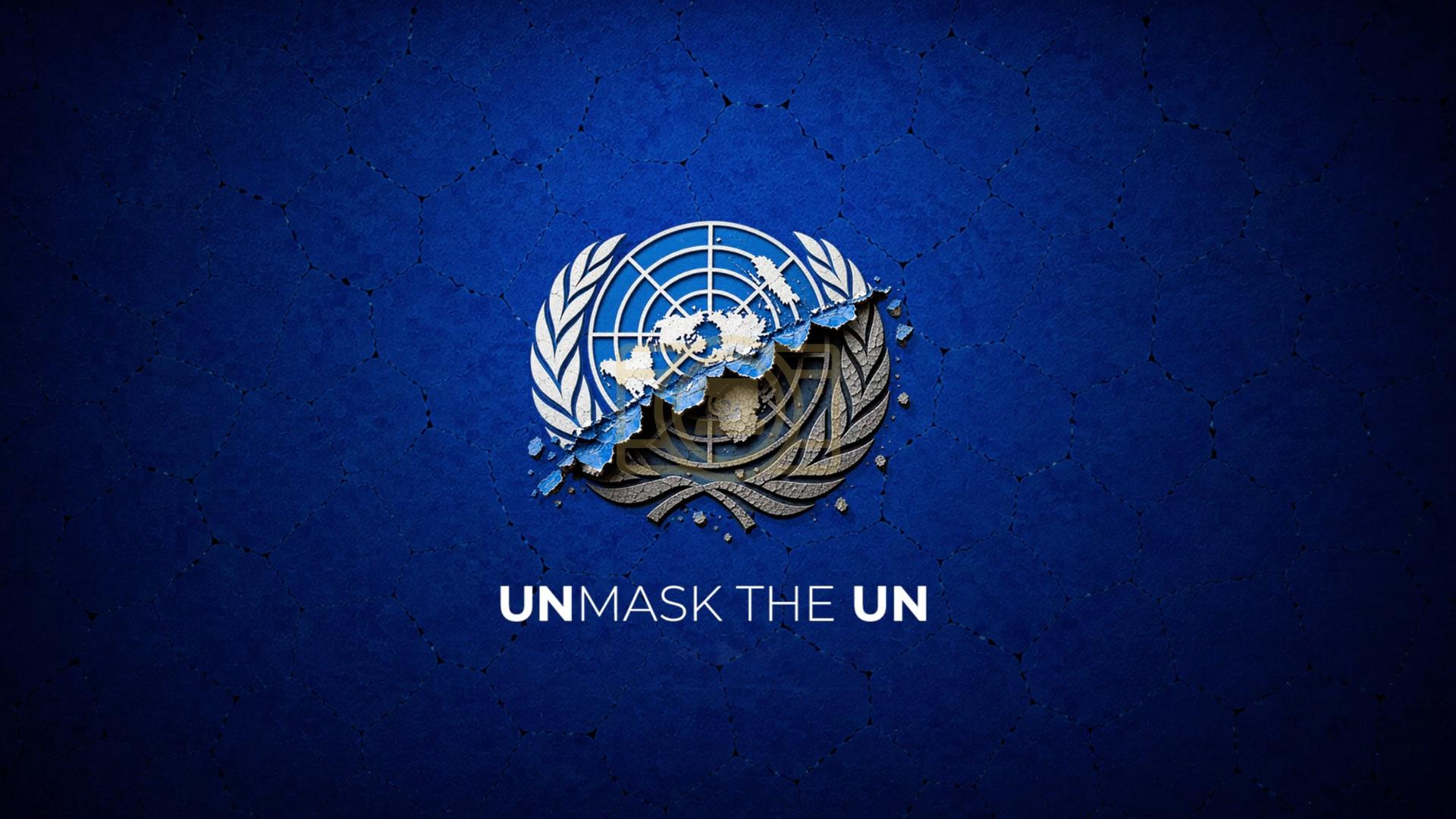
Animated presentations circulating alongside the criticism use stark visual comparisons to drive the point home. Graphics show towering stacks of documents representing the volume of anti-Israel resolutions, a dominant red bar illustrating Israel’s share relative to the rest of the world, and piles of money marked with UN logos. A shattered UN emblem appears in some versions to symbolize the claimed departure from the organization’s original peace-promoting mission. The imagery is designed to make the statistical imbalance immediately visible to viewers.
Supporters of the critique maintain that this sustained focus has turned the UN into a forum where one country is routinely singled out while far larger-scale crises receive comparatively little formal attention. They point to the sheer numerical gap in resolutions as proof that the process is no longer driven by consistent application of international standards. The result, according to this view, is an organization that appears increasingly selective in its outrage and enforcement. Ordinary observers are left questioning whether the UN still functions as a neutral arbiter.
The criticism arrives at a time when the United Nations continues to face broader questions about its effectiveness and credibility. By highlighting the resolution count and the dedicated spending, the latest challenge seeks to reframe the debate around institutional priorities rather than individual conflicts. Those advancing the argument insist that genuine adherence to the UN’s founding ideals would require a more balanced distribution of both condemnation and resources. Until that balance is restored, they say, the perception of double standards will only deepen.
For now, the numbers themselves remain the central exhibit. More than 200 resolutions aimed at Israel versus the combined total for every other nation, paired with over $100 million directed at specialized Israel-focused mechanisms, form the core of the case. Whether this record reflects legitimate concern or institutionalized bias is the question the criticism forces into the open. The UN’s response, or lack of one, will shape how widely the charge of detachment from its original principles continues to resonate.