U.S. Missiles Destroys Iranian Killer Drones in Precision Strike.
Gallery
Videos
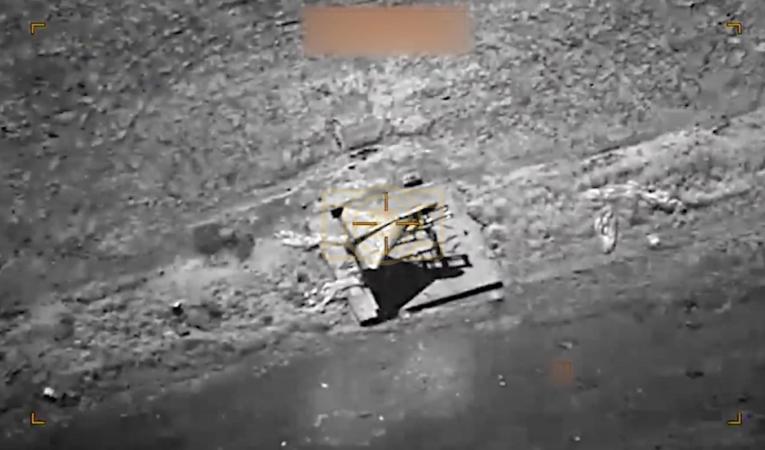
U.S. Central Command released thermal imaging footage showing American missiles destroying at least eight Iranian drones in rapid succession, underscoring what officials describe as a decisive effort to neutralize a long-standing regional threat. The video captures precision intercepts targeting unmanned aerial vehicles that have, for years, been central to Tehran’s asymmetric warfare strategy across the Middle East.
Military officials stated that the drones were eliminated as part of an expanded defensive and offensive posture following Iranian UAV attacks on the U.S. Embassy in Riyadh on March 3, 2026. While the embassy sustained only minor structural damage, the attack marked a significant escalation. Since the conflict intensified around March 1, six U.S. service members have been killed in related hostilities, heightening the urgency of dismantling Iran’s drone infrastructure.
Iran’s unmanned systems—ranging from reconnaissance platforms to explosive-laden loitering munitions—have been deployed extensively through proxy networks in Iraq, Syria, Yemen, and beyond. These systems are designed to offset conventional military disadvantages by exploiting low-cost, high-impact tactics. U.S. defense planners have increasingly characterized the proliferation of Iranian drones as a destabilizing force that threatens both military installations and civilian infrastructure throughout the region.
CENTCOM’s operation reflects a layered counter-UAV strategy combining advanced radar detection, missile interceptors, and rapid-response air assets. The thermal footage highlights precise target acquisition and engagement, with multiple drones destroyed within seconds. Defense analysts note that such rapid neutralization demonstrates improved interoperability and refined engagement protocols against swarming threats.
In parallel with aerial intercepts, U.S. B-1 bombers have reportedly conducted deep strikes against Iranian facilities linked to drone manufacturing, storage, and command-and-control functions. These long-range bomber missions signal a broader effort not merely to intercept active threats, but to degrade the industrial and logistical backbone sustaining Iran’s UAV program.
Strategically, the message is clear: Iranian drone attacks are no longer considered a tolerable risk. The escalation suggests a shift from reactive defense to proactive suppression of unmanned capabilities at their source. By targeting both airborne assets and the infrastructure that produces them, U.S. forces aim to restore deterrence and reduce the operational freedom of Iranian-backed networks.
As hostilities continue, the effectiveness of this campaign will depend on sustained pressure and regional coordination. What remains certain is that unmanned systems—once viewed as a peripheral tool—have become a central battleground in the evolving confrontation. The latest intercepts signal that the United States is prepared to meet that challenge with decisive force.