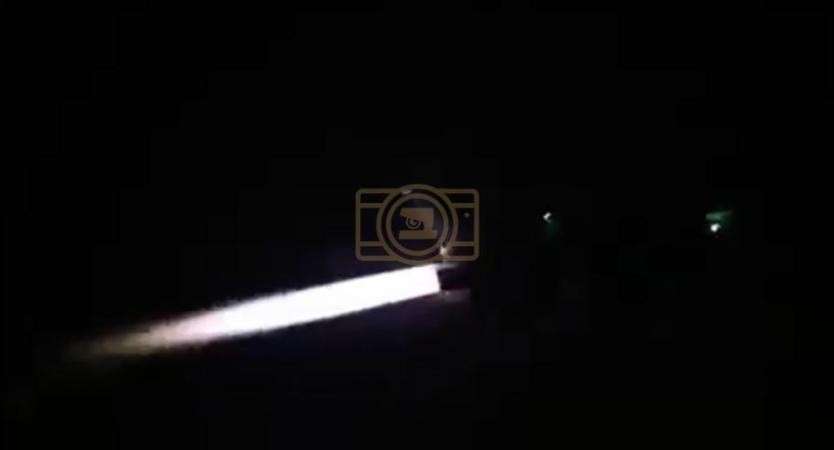
9 P.M. Strike: U.S. Pounds Iranian Air Defenses to Secure 450 Million Barrels of Oil.
Gallery
Videos
CENTCOM Unleashes New Wave of Strikes on Iran to Protect Vital Oil Lanes
U.S. Central Command launched another wave of precision strikes against Iran at 9 p.m. ET on July 20, hitting military command centers, maritime assets, missile and drone launch sites, and air defense systems in a sustained campaign to keep the Strait of Hormuz open for global commerce. The operation is the latest demonstration of the Trump administration's zero-tolerance approach to Iranian aggression, directly targeting the infrastructure Tehran has used to threaten commercial shipping in one of the world's most critical waterways. Despite the intensity of the strikes, commercial vessel traffic through the strait continued uninterrupted, a testament to the effectiveness of the U.S. military's protective posture in the region.
Since early May, CENTCOM has helped safeguard the safe transit of approximately 900 commercial vessels carrying roughly 450 million barrels of crude oil through the strait, a staggering figure that underscores just how much of the world's energy supply runs through this single stretch of water. U.S. officials made clear that the strikes were designed specifically to degrade Iran's ability to threaten that traffic, striking directly at the launch sites and defense systems Tehran would need to carry out further attacks. The scale of the operation reflects a military determined to stay one step ahead of Iranian provocations rather than simply reacting to them after the fact.
U.S. forces say they remain fully prepared to respond to any further threats against civilian mariners and to protect freedom of navigation through the strait, a principle the Trump administration has repeatedly framed as non-negotiable. With hundreds of millions of barrels of oil and hundreds of vessels moving through the strait every month, the stakes for the global economy could not be higher, and the administration is signaling it will keep up the pressure on Tehran for as long as necessary to keep the waterway secure.