ENERGY SECURITY ALERT: Secretary Rubio Ties Global Stability to Stopping Iran's Threats
Gallery
Videos
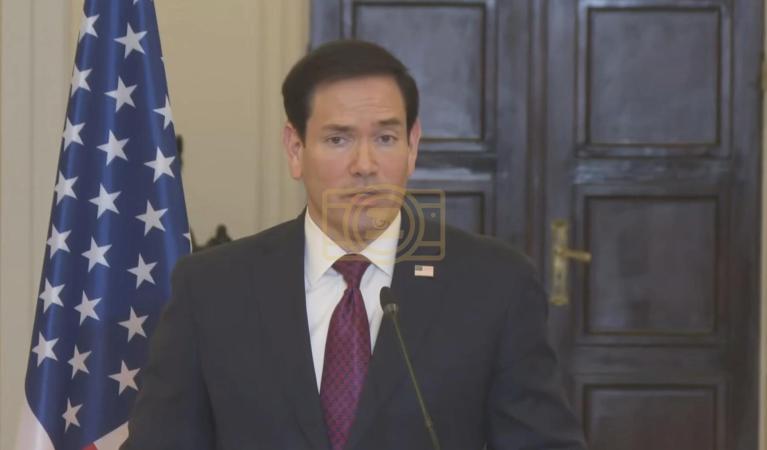
Secretary of State Marco Rubio made a forceful case on Wednesday that energy security and national security are inseparable, pointing directly to Iran’s failed attempts to disrupt global oil flows as proof. Speaking during a joint press conference in Athens with his Greek counterpart, Rubio declared that anyone who doubts the connection need only look at what Iran is trying to do right now—and failing to do. He stressed that the world can never again allow a situation in which the cutoff of energy supplies from one region threatens the entire planet and undermines the ability of nations to act in their own interests. Rubio framed the current crisis as a clear demonstration of how a single adversarial regime can hold energy markets hostage if alternative routes and sources are not developed. He tied the warning to broader U.S. efforts to strengthen partnerships, including with Greece, that expand reliable energy corridors. The remarks underscored a core principle of the administration’s approach: diversified supply is essential to true independence and global stability.
Rubio’s comments highlighted how President Trump’s policies are actively addressing the vulnerability exposed by Iran’s actions in the Strait of Hormuz. By surging domestic production, increasing output from Venezuela, and establishing pathways that go around the chokepoint, the administration is working to ensure energy continues to flow even when one region faces disruption. Rubio presented these steps as the practical fulfillment of the energy independence voters demanded. He argued that relying on any single corridor or supplier leaves the world exposed to the kind of coercion Iran has attempted. The secretary positioned diversified energy infrastructure not merely as an economic goal but as a fundamental national security requirement. In doing so, he linked ongoing U.S. diplomatic and production efforts to the larger mission of preventing any future regime from holding global energy—and by extension global security—at risk.