MISSION COMPLETE: CENTCOM Declares Hormuz Channel Free After Massive Clearance
Gallery
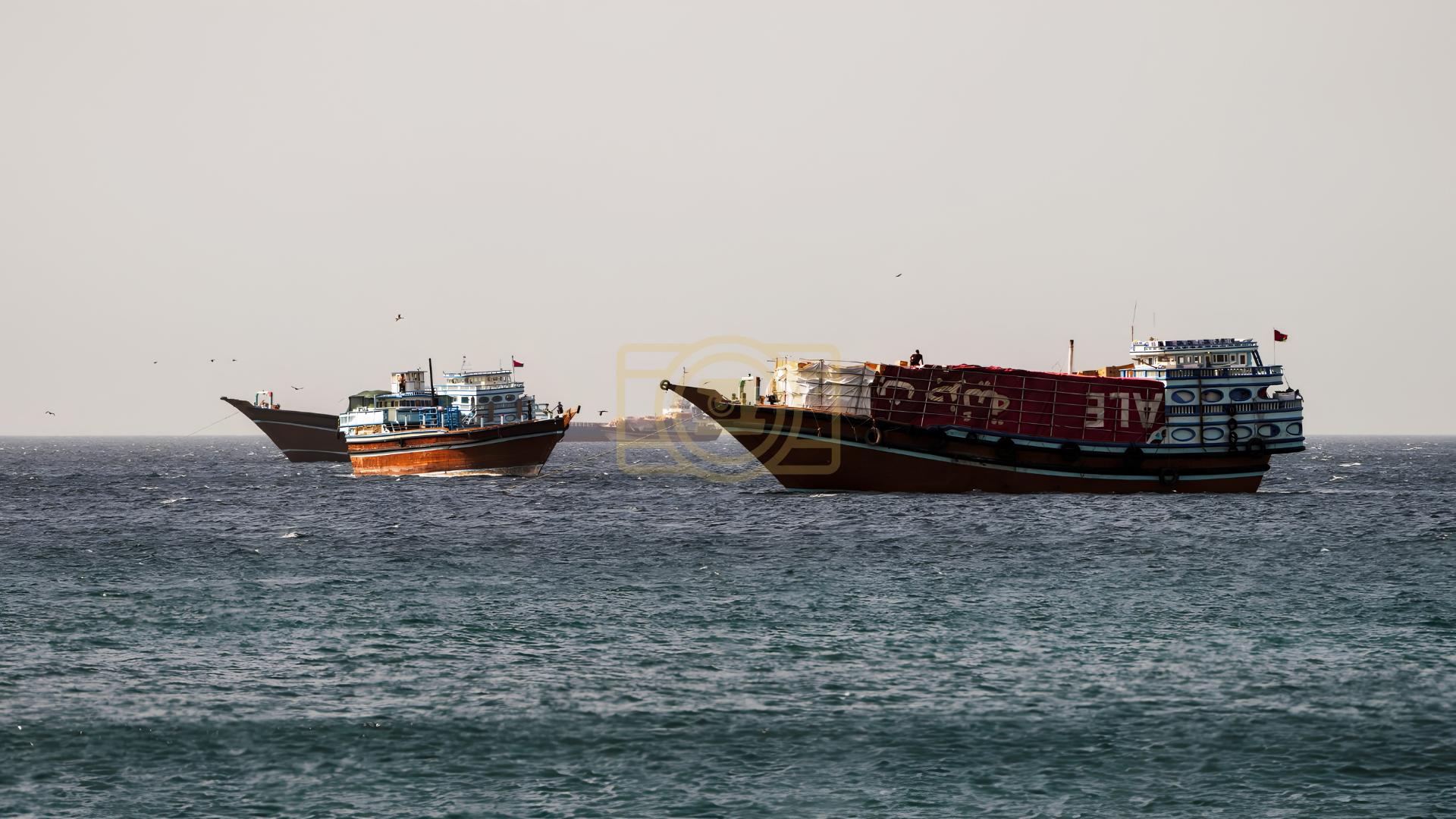
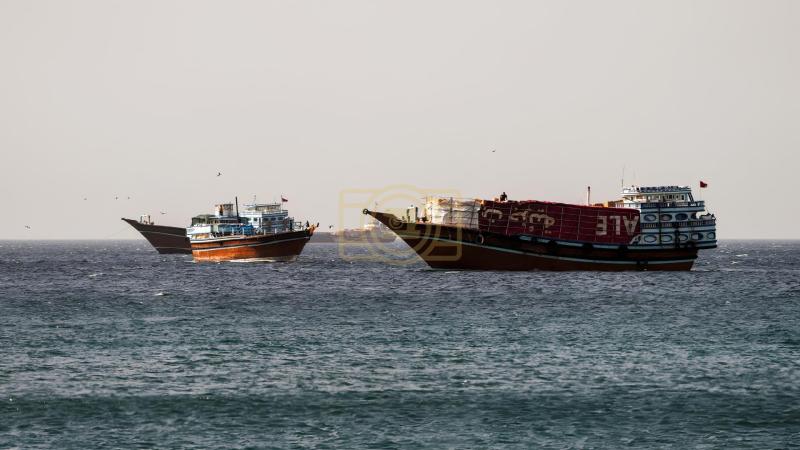
The United States has formally declared the Strait of Hormuz open for international shipping after American forces cleared a key channel of mines. U.S. Central Command announced that Navy divers, SEALs, and air assets worked together to remove the Iranian-laid threats from the vital waterway. Over recent months the operation has enabled nearly 1,500 commercial vessels to pass safely, carrying more than 750 million barrels of oil. The announcement came in a video statement from CENTCOM Commander Adm. Brad Cooper, who confirmed the channel is now usable. Despite the progress, officials note that overall traffic volumes remain well below the pre-conflict average of more than 20 million barrels per day.
The clearance effort addressed one of the most serious disruptions to global energy routes caused by the broader regional conflict that began earlier this year. Iranian mines had posed a direct danger to tankers and cargo ships attempting to navigate the narrow strait. By systematically sweeping the international shipping lane, U.S. forces restored a critical path for oil exports from the Gulf. The successful transit of hundreds of vessels demonstrates that commercial traffic can once again move through the area under protective measures. Still, concerns linger that additional mines may remain outside the cleared channel.
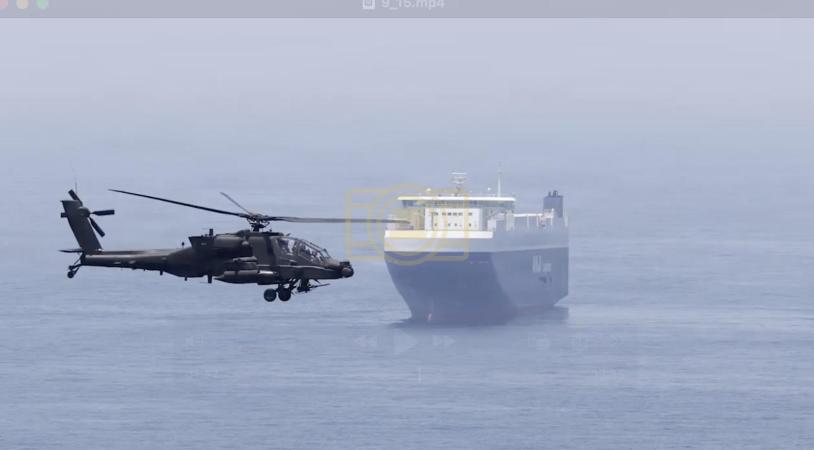
Adm. Cooper’s statement highlighted the combination of specialized skills used in the operation. Navy divers and SEALs conducted the underwater work while air assets provided surveillance and support from above. This multi-domain approach allowed teams to locate and neutralize the explosive devices with precision. The result is a declared open channel that has already facilitated the movement of an enormous volume of oil. Each successful transit reduces the immediate risk that had kept many shippers hesitant to enter the strait.
The reopening coincides with an ongoing U.S. naval blockade of Iranian ports that has completely halted Iranian oil exports since mid-July 2026. While other nations’ tankers can now move through the cleared lane, Iranian crude remains bottled up. This dual reality underscores the strategic pressure still being applied even as the waterway itself is declared open. Global markets will be watching closely to see whether the restored access leads to a meaningful recovery in daily shipping volumes. For now the gap between current traffic and the prewar peak remains significant.
Questions persist about the completeness of the mine clearance and the long-term security of the strait. Officials have acknowledged that Iranian mines may still exist in uncleared areas, meaning continued vigilance is required. Ship operators must weigh the improved conditions against residual risks before fully returning to previous levels of activity. The fact that more than 750 million barrels have already moved through under U.S. protection offers a measure of confidence. Yet the lower overall throughput shows that full normalization has not yet been achieved.
As commercial vessels continue to use the reopened channel, the focus shifts to sustaining safe passage and monitoring for any new threats. The U.S. declaration marks a major operational milestone after months of disruption. At the same time, the sustained blockade of Iranian ports keeps Tehran’s oil off the market. Together these measures reshape the flow of energy through one of the world’s most important maritime chokepoints. The coming weeks will reveal whether traffic climbs closer to historic levels or remains constrained by lingering caution.