ROCKET RECOVERY RUSH: China Gambles on Drone Ship Landing for There New Rocket Debut

Gallery
Videos
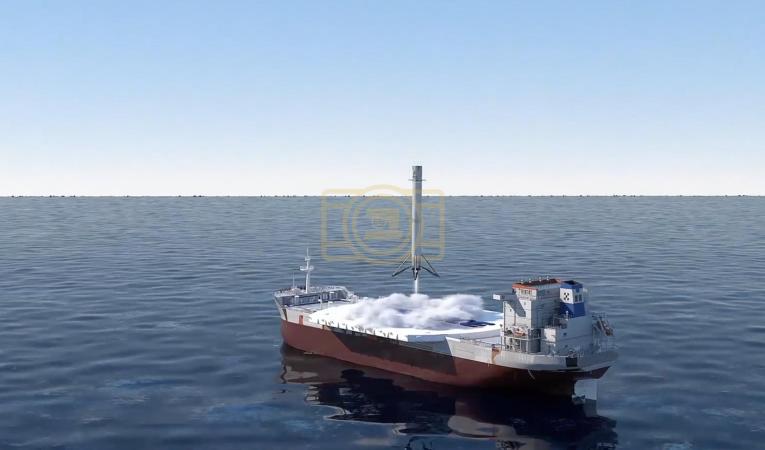
Chinese private launch company i-Space is charging hard into the reusable rocket race by planning an ambitious first-stage drone ship landing attempt on the very first orbital test flight of its Hyperbola-3 vehicle. The move marks one of the most aggressive debut strategies yet seen in China’s commercial space sector, skipping the usual cautious expendable flights that most new rockets fly before trying recovery. Company updates and related video releases show CGI of a triple-core heavy configuration being assembled, launching, and recovering boosters on a branded sea platform, confirming plans for a Hyperbola-3 Heavy variant that would significantly boost lift capacity. The standard Hyperbola-3 is a medium-lift methalox rocket designed for partial reusability, and i-Space has already completed extensive sea trials of its Qinglan drone ship with full-scale pathfinder stages. Officials have positioned the debut flight as both an orbital demonstration and a recovery test, underscoring the firm’s determination to achieve rapid turnaround and lower costs. This approach mirrors the high-stakes recovery goals once pursued by leading Western operators while highlighting how quickly Chinese private players are scaling their ambitions.
The planned first-flight recovery attempt, combined with the revealed Heavy variant, signals i-Space’s broader push for scalability and reusability in a competitive domestic market. The drone ship, already tested under realistic sea conditions with grid fins, engines, and landing legs installed on mock boosters, is central to the strategy of catching returning first stages at sea rather than on land. Video sequences circulating with the plans depict the triple-core heavy rocket in assembly, liftoff, booster recovery on the i-Space-marked platform, and subsequent deployment of satellites or station modules. Industry observers note that succeeding on the debut flight would place i-Space among the first Chinese commercial firms to attempt marine recovery of an orbital-class booster. The company has qualified key hardware, including its JD-2 engines, and continues ground and sea testing to support the timeline. These developments collectively show i-Space racing to close the gap with established reusable systems by combining bold first-flight goals with longer-term heavy-lift plans.