IRAN'S ANTI-TRUMP SPECTACLE: Live Actor Portrays US President Behind Bars in Mock Prison
Gallery
Videos
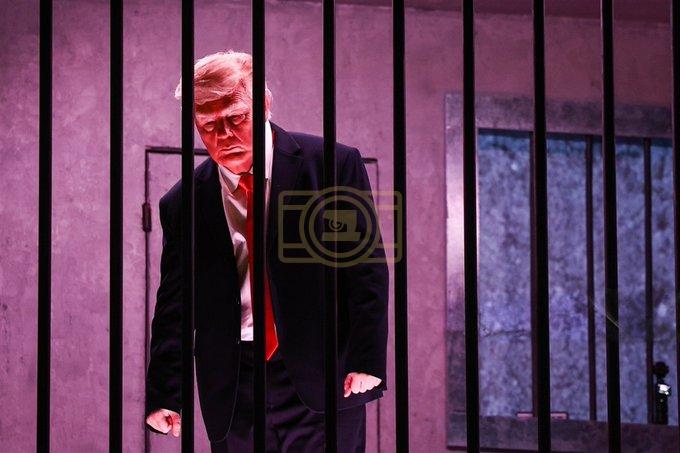
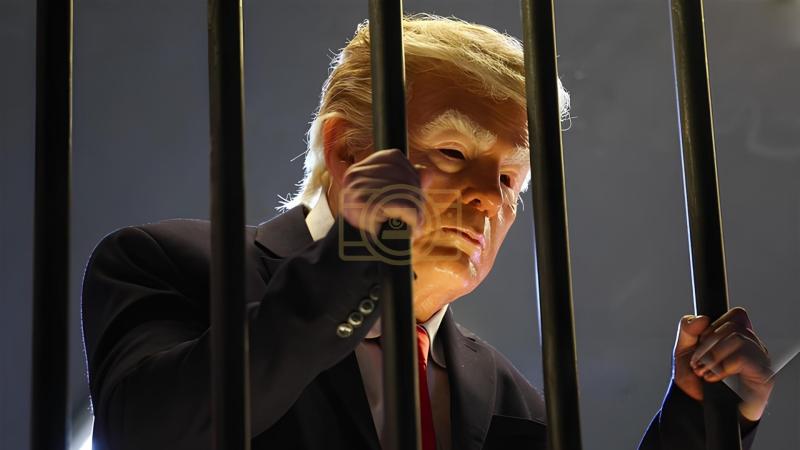
Iran has unveiled a provocative public installation in Tehran depicting U.S. President Donald Trump as a prisoner, using a live actor behind bars to deliver a political message amid escalating tensions between Washington and Tehran. The display appeared in the busy Tajrish Square on October 20 and drew attention from passersby the following day, with the actor wearing a dark suit and red tie while mimicking Trump’s movements and interacting with onlookers. The mock prison cell, mounted on a billboard structure, included a bed and toilet, while a slogan above the display declared, “It is a crime not to see this scene.” A screen behind the cell reportedly showed images of children killed in U.S. strikes and bloodshed following a bombing in the southern Iranian town of Sirik. Videos and photographs circulated online as pedestrians stopped to watch and record the unusual spectacle, with reactions ranging from laughter to insults directed at the Trump impersonator. Iranian media reported that the installation was intended to operate around the clock as part of a public campaign ridiculing the American president.
The display reflects Tehran’s increasingly confrontational public messaging toward the United States as diplomatic efforts to end the conflict remain stalled. Its imagery presents Trump as a criminal figure while drawing attention to Iranian claims about civilian casualties from American military operations, framing the installation as political theater rather than a formal legal proceeding. The spectacle also coincided with renewed mediation efforts involving Pakistan, whose army chief, Field Marshal Asim Munir, arrived in Tehran amid attempts to revive negotiations. Iranian officials have maintained that Washington must address Tehran’s conditions before meaningful progress can be made, while both sides continue to face major disagreements over security and the terms of a potential settlement. The installation’s organizers have not publicly established that the display represents a formal government position, although reports have linked the campaign to Tehran’s municipal publicity apparatus. The episode illustrates how public art and propaganda have become another arena for the confrontation, allowing Iran to project defiance at home while sending a pointed message to the American administration.