NO INCIDENT, NO MERCY: SOUTHCOM Sinks Narco-Terrorist Floating Station
Gallery
Videos
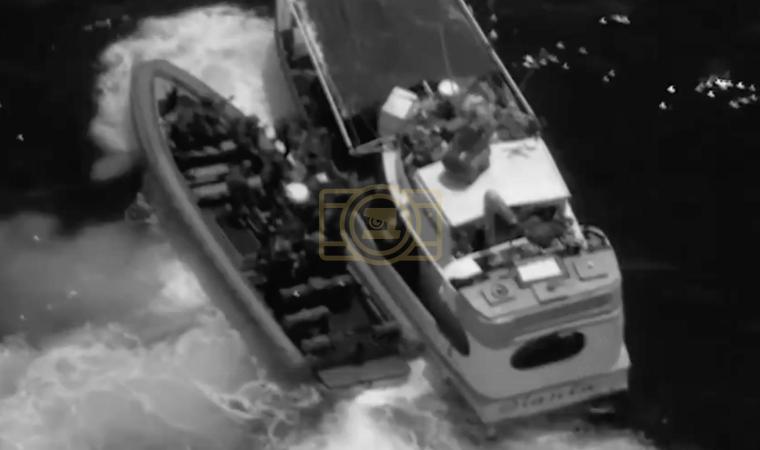
U.S. Southern Command carried out a precise strike against a key piece of narco-trafficking infrastructure on September 2, intercepting and sinking a vessel operating as a floating refueling station in international waters of the Eastern Pacific. The operation was carried out under the direction of SOUTHCOM Commander Gen. Francis L. Donovan and in coordination with the government of Ecuador, with Joint Task Force Western Hemisphere leading the effort. Intelligence confirmed the vessel was directly supporting Los Choneros, a violent narco-terrorist organization operating out of Ecuador. Marines and sailors launched from the USS San Antonio carried out the interdiction, boarding, searching, and clearing the vessel entirely without incident before it was ultimately sunk.
The operation followed a carefully sequenced process designed to prioritize safety while still neutralizing the target. Individuals found aboard the vessel were removed and safely transferred into the custody of Ecuadorian authorities rather than being held by U.S. forces, reflecting the joint nature of the mission. Only after the ship was fully cleared of personnel did U.S. forces move to sink it, eliminating the vessel as a functioning asset for the trafficking network it supported. This mirrors a similar interdiction just days earlier, on August 28, when the same task force intercepted another floating refueling vessel tied to Los Choneros, suggesting a sustained effort to systematically dismantle the group's maritime supply chain rather than a one-off strike.
Refueling vessels like this one serve as a critical, if often overlooked, piece of drug trafficking logistics, allowing smaller smuggling boats to extend their range across the Eastern Pacific without needing to return to shore. By targeting this specific node, U.S. and Ecuadorian forces aimed to disrupt the broader network's ability to move product efficiently across long stretches of open water. SOUTHCOM described the strike as advancing the shared goals of the Americas Counter Cartel Coalition and JTF-WHEM, both of which are focused on dismantling narco-terrorist networks operating throughout the Western Hemisphere. Officials framed the mission not as an isolated success, but as one link in a broader chain of pressure being applied against cartel logistics across the region.
Gen. Donovan was direct about the intent behind the operation, stating that the mission demonstrated the "elite capabilities and precision" of the task force operating in the region. He described the broader campaign as an effort to apply "total systemic friction" against narco-terrorist networks, language that frames these interdictions as part of a sustained, deliberate strategy rather than isolated law enforcement actions. The Department of War and the Americas Counter Cartel Coalition reiterated their continued commitment to defeating narco-terrorism in the Western Hemisphere, tying the mission directly to homeland defense. With this marking at least the second such refueling vessel taken out in under a week, the operation signals an intensifying campaign against the maritime infrastructure that keeps trafficking networks like Los Choneros operational.