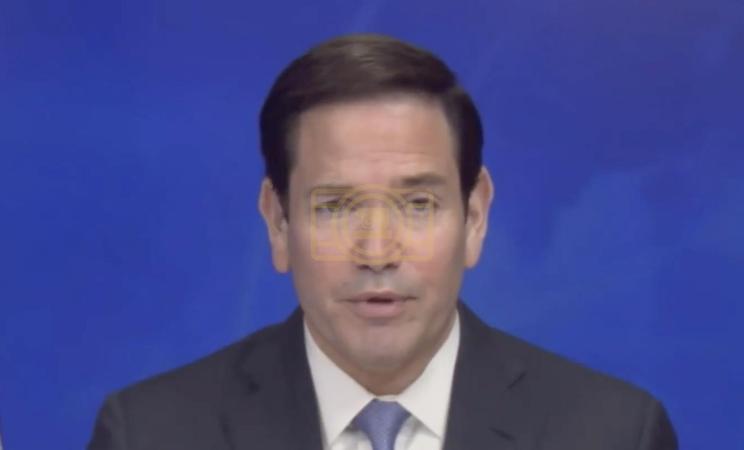
Marco Rubio Warns Diplomacy With Iran May Fail.

Gallery
Videos
Marco Rubio has emphasized that while diplomacy remains the United States’ preferred path in dealing with Iran, policymakers must be prepared for the possibility that such efforts will fail. Speaking during a recent interview, Rubio pointed to the longstanding nature of Iran’s ruling system, describing it as a 47-year-old regime shaped by decades of confrontation and resistance to Western influence. His remarks reflect a dual-track approach that combines ongoing diplomatic outreach with readiness for escalation if negotiations break down.
Rubio’s comments come amid heightened tensions and an ongoing U.S.-involved conflict with Iran, where military operations and diplomatic efforts are unfolding simultaneously. He suggested that while dialogue remains essential, there are entrenched elements within Iran’s leadership that are not inclined toward compromise or peaceful resolution. This assessment aligns with broader concerns among U.S. officials about the ideological rigidity of key actors within the Iranian system.
The Secretary of State framed the situation as one requiring strategic realism, acknowledging that diplomacy alone may not be sufficient to resolve deep-rooted conflicts. He stressed the importance of maintaining leverage through military preparedness and coordinated international pressure. This approach is intended to ensure that diplomatic negotiations, if they proceed, are backed by credible consequences should they fail.
Rubio’s position is consistent with his long-standing views on Iran, which have emphasized the need for firm policies to counter its nuclear ambitions and regional activities. Throughout his political career, he has advocated for a strong stance against Tehran, including sanctions and support for allied security measures. His current role places him at the center of efforts to balance these priorities during a critical phase of the conflict.
As the situation continues to evolve, Rubio indicated that the coming weeks could be decisive in determining whether diplomacy gains traction or gives way to further escalation. The uncertainty surrounding Iran’s response underscores the complexity of the crisis, where historical mistrust and current military dynamics intersect. U.S. officials remain engaged on both fronts, signaling openness to dialogue while preparing for less favorable outcomes.